2023 was a pretty good year of gigging for me as we emerged from a few quieter COVID years. I notched up over 60 gigs for the year across 2 continents and 3 cities. The best gigs ticked off a few bucket list artists (John Scofield, The Smithereens, Marshall Crenshaw, Jeff ‘Skunk’ Baxter and Bright Eyes) and venues (including The Blue Note and The Bitter End in New York and City Winery in Boston) as well as old favourites who showed they still had what it takes (3 consecutive nights of Billy Bragg, plus Pavement, Jackson Browne and Tommy Emmanuel) .
So here’s my favourite 52 shows – one for every week of the year!
Photo: John Scofield Trio – The Blue Note NYC
John Scofield Trio – The Blue Note NYC
The Smithereens feat. Marshall Crenshaw – City Winery Boston
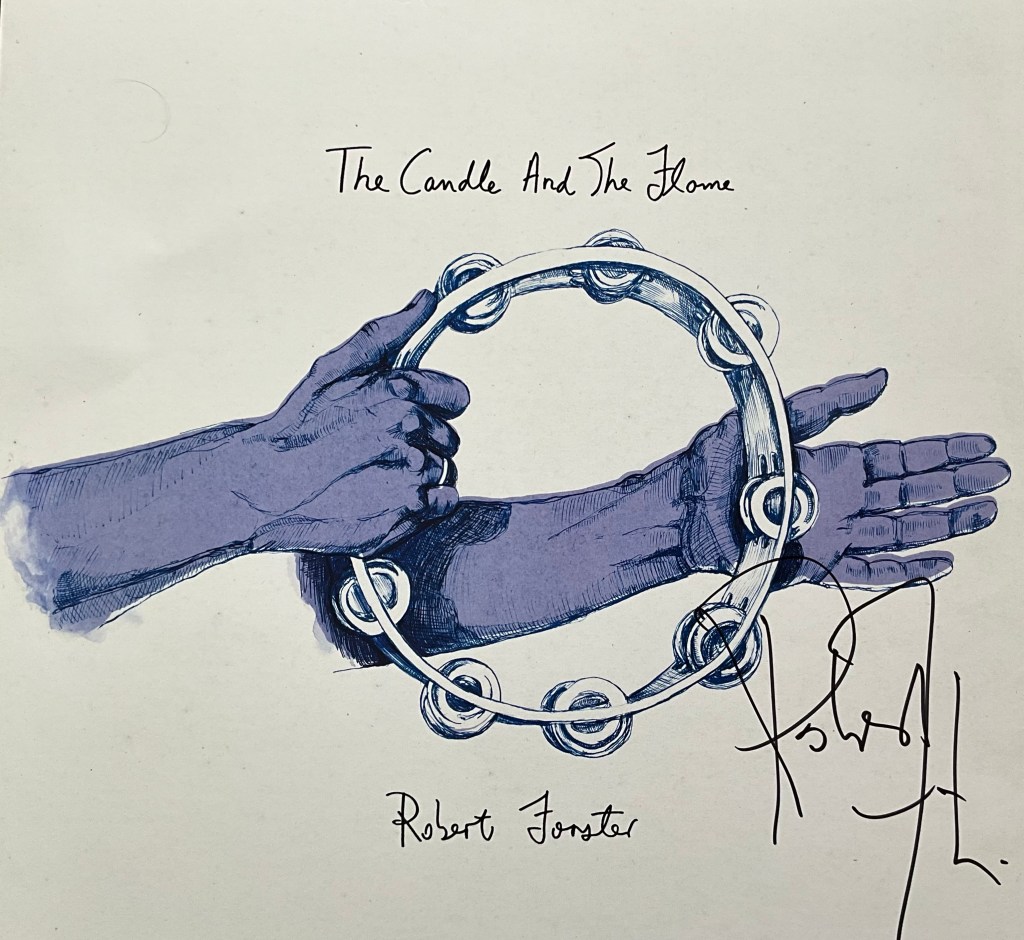
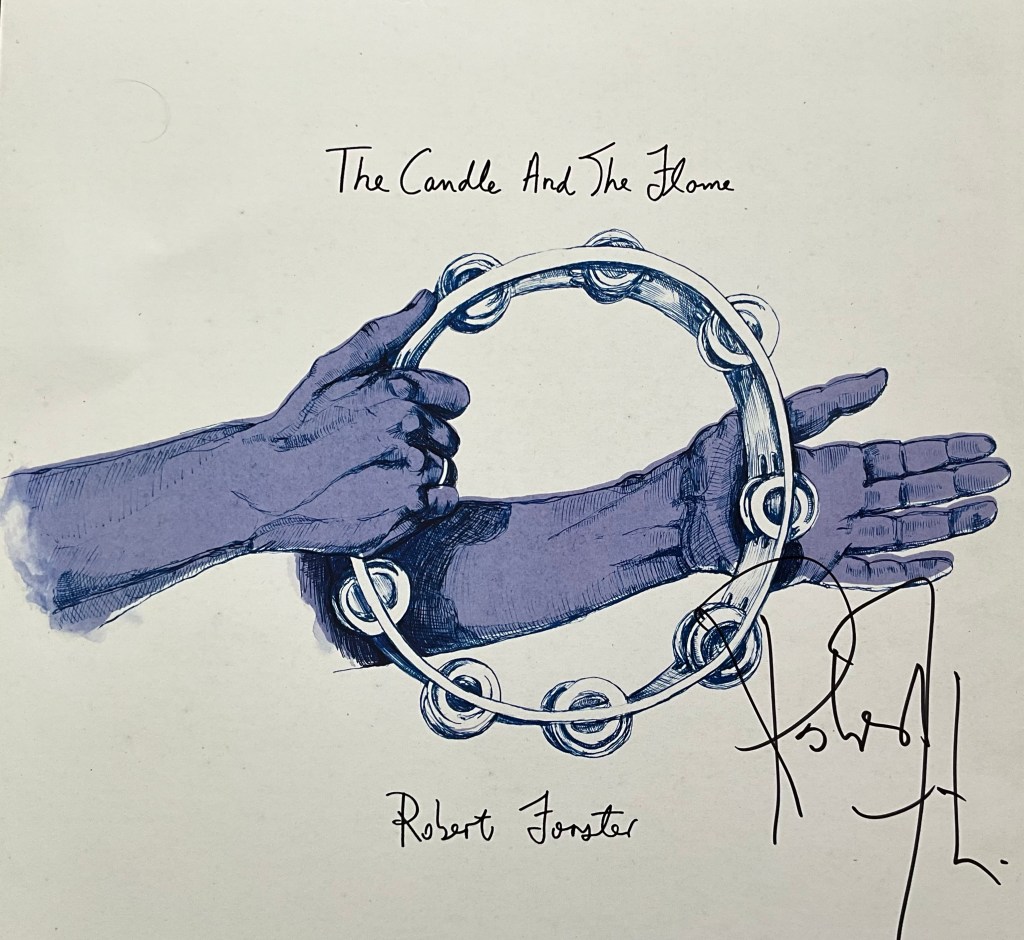
‘The Candle and The Flame’ is an album of ruminations on Forster’s wife Karin Baumler’s battle with ovarian cancer. Not since his solo debut Danger in the Past in 1990 has Forster delivered an album this focussed and compelling.
The topic of cancer could, in lesser hands, make for heavy going, but, infused with ‘that striped sunlight sound’, wry lyricism and with backing by family members Karin, son Louis and daughter Loretta (together with sometime Go-Between Adele Pickvance) these tracks are light, bright and uplifting while never skirting the realities of Baumler’s illness.
It’s a masterful trick and one which elevates this album to a state of grace, hope, celebration and most compellingly a (sacharine-free) tribute to the power of love.
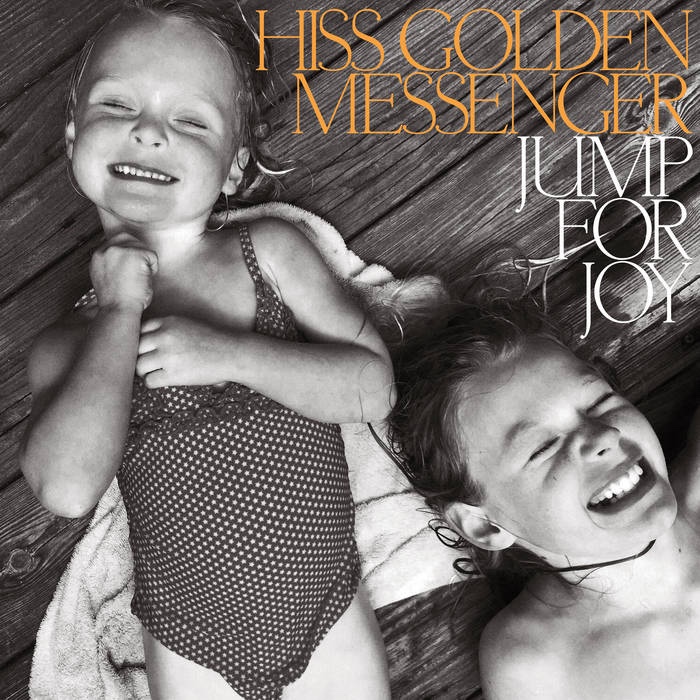
2: Jump for Joy – Hiss Golden Messenger
Judged by the cover, title and jaunty tone of the music M.C. Taylor’s 13th album under his stage name Hiss Golden Messenger, you’d think he’d had a sudden epiphany. But dig deeper and the positivity and joy promised is leavened with an undercurrent of existential despair.
The title track’s first line ‘Jump for joy’ is immediately countered by its second line ‘Gimme apocalypse’. Elsewhere, he confesses to being ‘just a nail in the house of the universe’, fears that ‘the rock in my pocket might make me drown’ and, on the last line of the album, admits that he’s ’just a human trying to survive’.
All this amongst the finest, brightest folk pop of his career.
3: Black Country, New Road – Live from Bush Hall
After only two albums of skewed post-rock, featuring the distinctively manic vocals of founding member Isaac Wood, which pushed them to the top of indie rankings both within, and beyond, their country of origin (England), Wood announced his departure citing mental health issues. Which begged the question, ‘What would the band do next?’.
This album is the band’s answer to that question: Issue a live concert and accompanying album of all new original material recorded live at Bush Hall with existing band members Tyler Hyde and May Kershaw sharing vocals over the band’s trademark skewed cacophony of disparate sounds.
Absent Woods’ vocals, the result is a folkier, but no less compelling, mix of disparate influences which meld together into an exciting yet focused whole. An inspired declaration that they’re not done yet.
4: This Stupid World – Yo La Tengo
Yo La Tengo deliver more of their trademark guitar fuzz in a broad canvas of mostly extended workouts which were developed through hours of improvisational jams during recording at the bands’ home studio.
It shows in the extended format and the freedom with which the band explore every nuance of the songs while miraculously reining them in before they spill over into self-indulgence. It’s the judgement shown in that execution which is the mark of success of this album, and the reason that so many albums into their recording careers, they’ve been able to produce yet another high point for their catalogue.
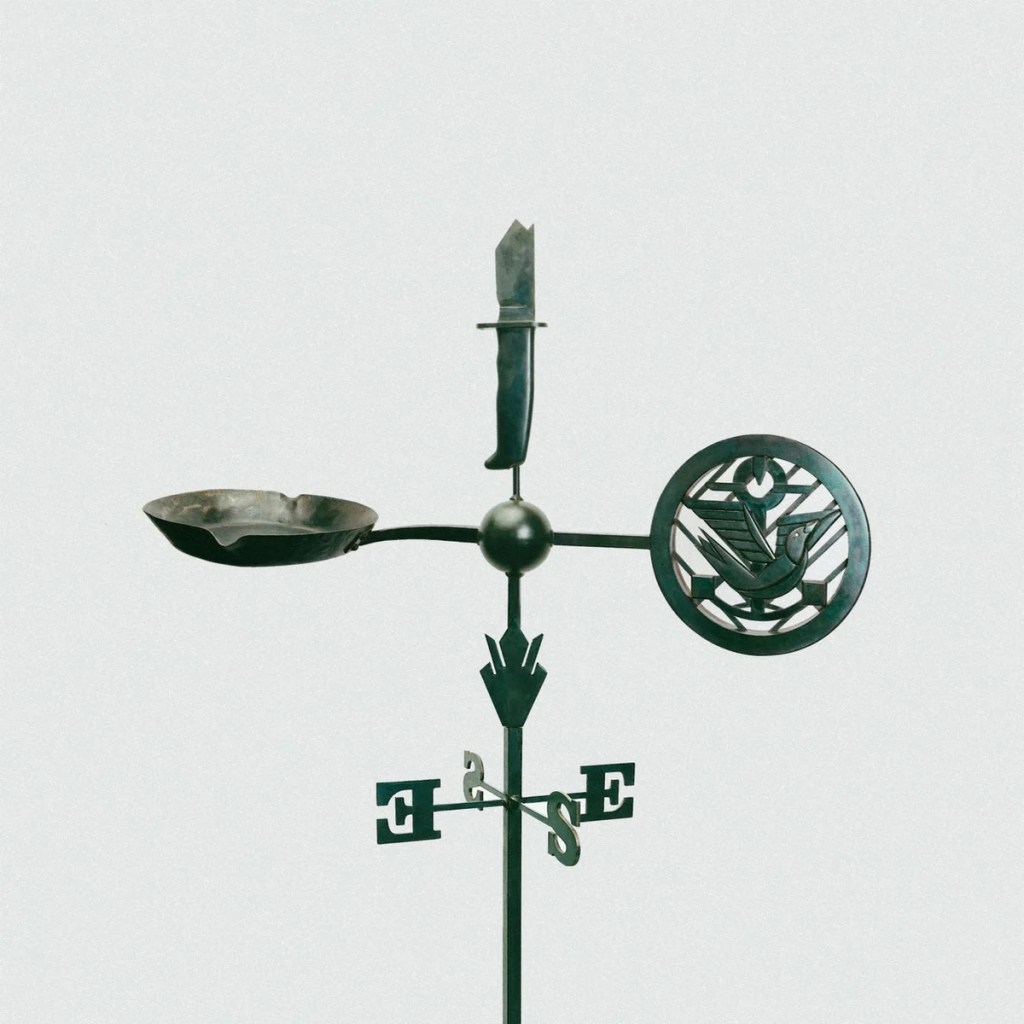
5: Weathervanes – Jason Isbell & the 400 Unit
I knew Isbell as the sometime guitarist of The Drive By Truckers on albums such as Southern Rock Opera, Decoration Day (for which he penned the strong title track) and The Dirty South. But it was at Bluesfest in Byron Bay in 2010 that I was first introduced to Jason Isbell as a solo artist, during a short solo support slot for Justin Towns Earle (before joining JTE on guitar for his full 45 minute solo slot).
The highlight of Isbell’s short set was ‘Dress Blues’ (from his solo debut ‘Sirens of the Ditch) which marked him out as a master storyteller bringing real emotion and depth to his songwriting.
He followed that first solo album with two albums credited to his band ‘the 400 Unit’ before releasing Southeastern, still regarded as his high watermark. Weathervanes is his eighth album.
After several years together, Isbell’s 400 Unit has become a crack live band as witnessed on his career spanning set at the Enmore Theatre, Sydney earlier this year. I was pleasantly surprised by the way the new songs from Weathervanes (which I was still to hear at that time) stood up beside his well known and loved older material.
The album which I bought straight after the show didn’t disappoint. It is among the best of his career, featuring highlights including ‘Deathwish’, ‘King of Oklahoma’ ‘Middle of the Morning’, ‘Cast Iron Skillet’, ‘When We Were Close’, ‘Vestavia Hills’, ‘White Beretta’ and ‘This Ain’t It’ all of which rank up with his finest songs.
Weathervanes would have been even higher in my list but for a slightly too polite/pristine production, by Isbell himself, which doesn’t quite capture the vitality of those songs displayed during the live Enmore set.
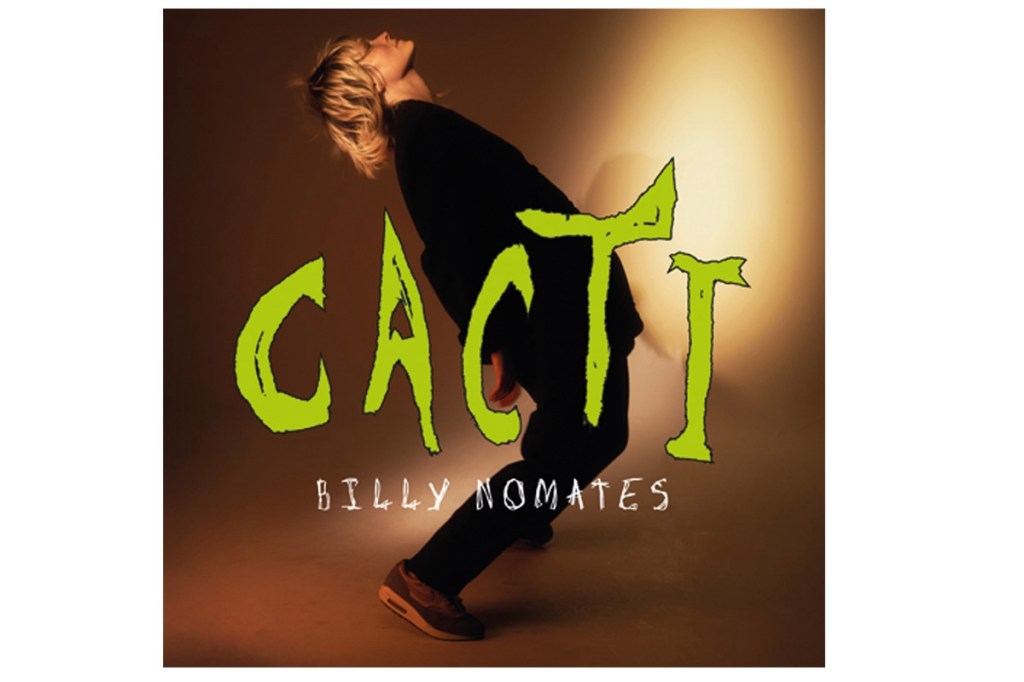
6: Cacti – Billy Nomates
I’ll confess that Billy Nomates’ self titled debut passed me by, despite receiving much critical acclaim in the UK. This sophmore release is a fierce call from the brink which mixes disparate elements of post-punk, country and rock and infused them with electronic beats, drum machines and prickly lyrics delivered in vocals which are spoken, sung and spat out in equal parts. It’s an electric, exhilarating combination which reaches its zenith on ‘Spite’ (which positively seethes).
7: Proof of Life – Joy Oladokum
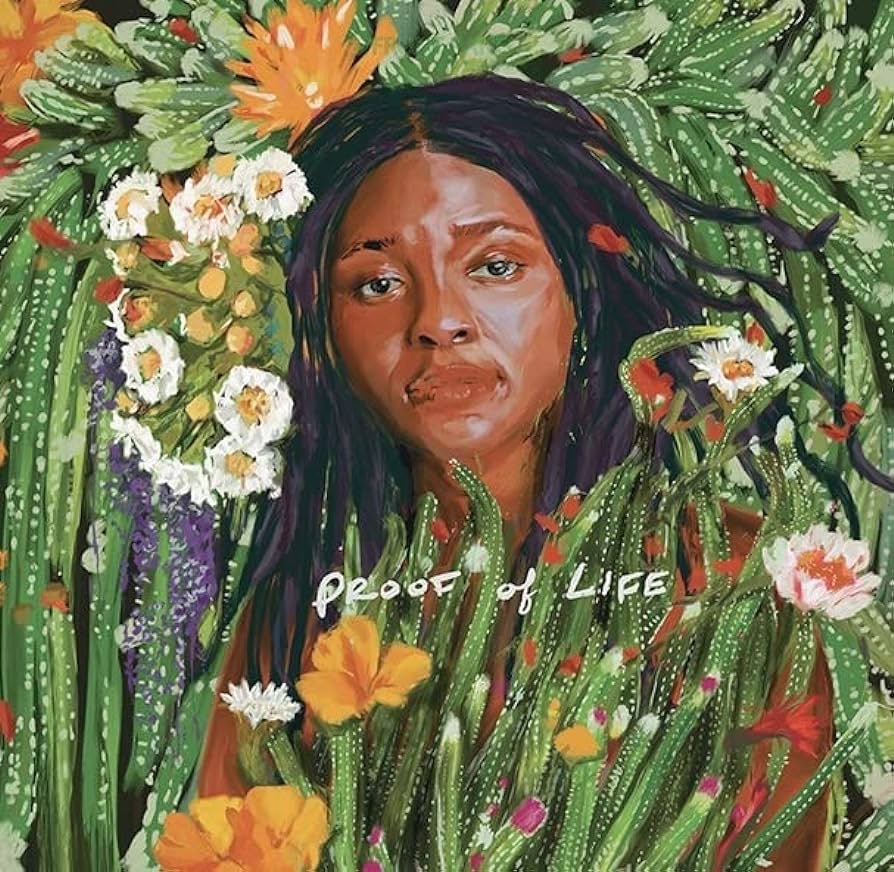
Oladokum followed up her self-produced 2021 release in defence of my own happiness, which met with a degree of critical acclaim (if not mainstream recognition), she returns with a bigger budget and bolder production for Proof of Life. The result is bolder, brighter and more commercial, without ever compromising the authenticity of Oladokum’s voice. Her lyrical concerns resonate as she deals with the contradictions inherent in her journey from Southern church choir leader to Nashville rising star and unofficial spokesperson on racism and LGBTQ+ issues – all of which she manages with candour and indelible songcraft.
8: Painting of My Time – Floodlights
Melbourne band Floodlights burst onto my radar following their excellent support slot at Pavements’ Wollongong and Sydney shows earlier in the year. So impressed was I that I raced out and bought this album and caught their subsequent headline gig at Carriageworks in Redfern.
The album does not disappoint with it uniformly strong songs and the occasional should-have-been hits including Human, Lessons Learnt, the title track (all of which were released as singles) and Wide Open Land (which inexplicably was not).
I can’t wait to see what they do next and can only hope that it builds on the momentum so that they can break through and get the recognition they deserve.
9. The Returner – Allison Russell
Allison Russell’s stellar debut Outside Child ranked No.2 in my 2021 list of Best Albums (and perhaps, in hindsight, might have been worthy of No. 1).
While, not rising to the heights of her debut, Russell’s sophomore album shows a willingness to experiment and try new sounds and delivers a sprightly, upbeat series of soulful pop gems, without ever losing her individuality or sliding into pop cliches.
10: The Record – Boygenius
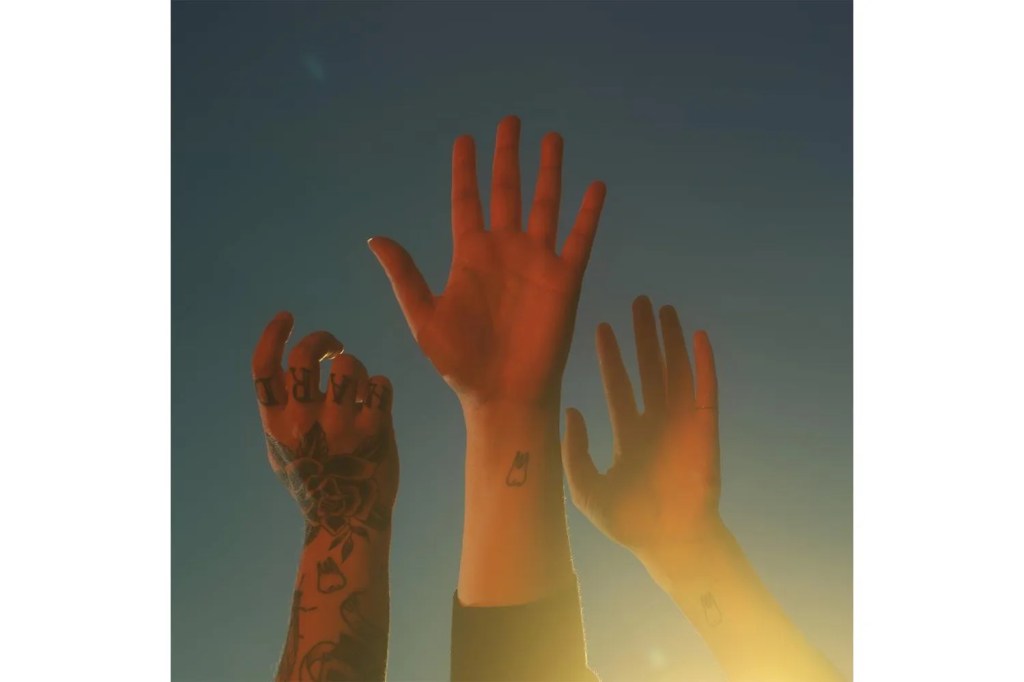
Following the success of their (very strong) 2018 EP, Julian Baker, Phoebe Bridgers and Lucy Dacus launched their debut LP from their supergroup ‘Boygenius’ to much acclaim reaching the upper reaches of the charts in several major geographies and a slew of Grammy award nominations including Album of the Year, Record of the Year (for Not Strong Enough) and Best Alternative Music Performance (for Cool About It).
The album is uniformly strong riding on the shared songwriting and vocal collaborations and a greater sense that this is a group effort. It even rocks out frequently.
The high points are on the songs where the three voices harmonise effortlessly recalling great collaborations like CSNY and The Hollies. Given the quality on display here, it is somewhat inexplicable that the album failed to enter the US Billboard Top 200. Unfortunately, some things never change.
Robert Forster is well known as, together with Grant McLennan, one of the founding members of The Go-Betweens. Together with Grant McLennan, he was responsible for some of the finest songs in Australian rock and pop. Forster specialised in literate, wry, lyricism dealing with often obscure topics from Lee Remick to Surfing Magazines and German Farmhouses. Those songs were, for the most part delivered with spritely jangling guitars which earnt the description of ‘that striped sunlight sound’.
Those well honed skills have served Forster well with the Go-Betweens, and onward through his solo career. But never have those skills been quite so critical to an album’s success than on his 2023 release ‘The Candle and The Flame’ – an album of ruminations on his wife Karin Baumler’s battle with cancer. Not since his solo debut Danger in the Past in 1990 has Forster delivered an album this focussed and compelling.
The topic of cancer could, in lesser hands, make for heavy going, but, infused with that striped sunlight sound, wry lyricism and with backing by family members Karin, son Louis and daughter Loretta (together with sometime Go-Between Adele Pickvance) these tracks are light, bright and uplifting while never skirting the realities of Baumler’s illness. It’s a masterful trick and one which elevates this album to a state of grace, hope, celebration and most compellingly a (sacharine-free) tribute to the power of love.
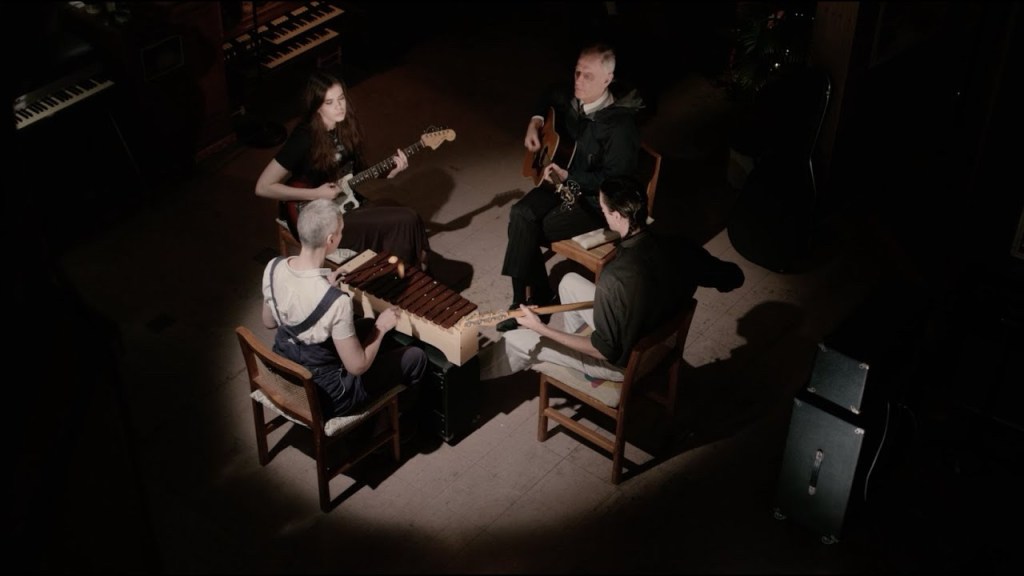
Opener, She’s a Fighter makes do with a mere 5 words (She’s a Fighter, Fighting for good). It was taped live with Forster, Karen, Louis and Loretta arranged in a circle playing this mantra over a propulsive tune similar to the great train songs beloved by blues players past and a neat finger picked riff which imbues the song with strength, determination and hope.
It’s followed by ‘Tender Years’, a reminisence on Forster’s relationship with Baumler through the years, which speaks to the depth of love and partnership fortified by shared experience, time and memory, together with fear that it may soon end:
‘I know it’s growing daily, lately I see how far we’ve come/I’m in a story with her, I know I can’t live without her/ I just can’t imagine one’.
It’s the best track on the album and the equal of anything Forster has written.
The other high point of the album comes on the first track of Side Two in the form of ‘I Don’t Do Drugs, I Do Time’ which melds memories, perspective and precious time into a joint declaration by Forster and Baume (sharing vocals) that, together they will make the most of every moment they have together: ‘I don’t do drugs, I do time/ Make it stop and rewind/ Reimagine, redefine/ Recondition, realign/ Reelected, not resigned/ I don’t do drugs/ Baby, I do time’.
That Forster has managed to make an album, dealing this honestly with his wife’s cancer, which is beautiful, joyous and uplifting is a minor miracle. That he’s done it as a family project brings an added depth, honesty and more than a little magic.
Clinton Walker’s updated 2021 edition of Stranded, while billed as a chronicle of the Australian independent music scene from 1976 to 1992, is much more than that. It’s also part thesis on the workings of the independent record labels, distributors, stores, venues and characters which drove the scene, and part fractured memoir of Clinton’s participation in the scene (as critic, record store clerk, PR man and general ‘friend of the band’).
Clinton doesn’t try to review the output so much as observe it from his, admittedly prejudiced, viewpoint as a pro-indy anti-establishment participant.
It’s wonderful to follow in detail the development of the scene from The Saints and Radio Birdman, through The Boys Next Door/The Birthday Party, Go-Betweens, Scientists/Surrealists, Laughing Clowns/Ed Kuepper, Beasts of Bourbon/Cruel Sea, The Moodists/Dave Graney, The Triffids, Died Pretty and Hoodoo Gurus – along with a host of other bands. Some you’ll likely remember, some you’ll likely not.
Because the book is a personal chronicle, rather than purely a historical account, it benefits from an amazing array of first hand anecdotes and personal observations from the author. But it is, in equal part, burdened by the author’s staunch prejudices.
Bands like The Church are dismissed blithely for being too eager to be rock stars. There are other notable omissions such as the great Ups & Downs whose debut was self-released in 1983 before the band moved to Volition, Truetone and ultimately Mushroom. They would have seemed an ideal candidate for Walker’s thesis but don’t rate a mention despite both hitting the mainstream charts and being nominated for best new talent category in the inaugural ARIA awards in 1987 (the award was won by Crowded House).
Those whose record collection boasts Australian releases on independent labels like Au Go Go, Missing Link, Hot, Citadel, Big Time, Volition, Truetone, Waterfront, Red Eye, Shock, Phantom etc. will enjoy the inside glimpse of the people behind the labels and the connections between them.
The most rewarding aspect of the new 2021 edition is the addition of numerous footnotes and a new Preface and Afterword in which Walker reflects on his own prejudices:
‘I feel quite differently now about much of the music from that period. I was able to finally cast off my blinkers and listen without prejudice to, say, Cold Chisel, and hear a lot to like’.
But the reassessment goes only so far:
‘although other bands I disliked back then – the Oils or the Angels, for example – still leave me cold.’).
Ultimately Walker’s new Afterword chooses to re-conclude his thesis through the person of Peter Milton-Walsh, sometime Go-Between and Laughing Clown and leader of The Apartments. The Apartments has released seven studio albums (at least two of which Walker describes as ‘masterpieces’) plus two live albums and several single/eps over 25 years. During that time it has featured members and collaborators including: Greg Atkinson (Ups & Downs), Wayne Connolly (who might have rated a mention in the latter part of Walker’s book a mentioned as a member of The Welcome Mat from 1989 and a producer at Paradise Studios, home to RooArt records and as producing early work by You Am I – and went on to further achievements in Knievel and as a multiple ARIA award winning producer after the timeframe covered by Stranded) , Amanda Brown (Go-Betweens), Chris Abrahams (The Necks, The Sparklers) and Nick Kennedy (Knievel and Red Eye Records in Sydney).
Milton-Walsh, a close friend of Walker, is taken to be emblematic of the great unsung heroes of Australian music who have plowed their trade and produced a body of work to rival many household names, yet remain largely anonymous (often receiving greater recognition overseas than in Australia) barely earning a living from their talent.
It’s a fitting post-script with which discerning music fans all over the country would readily agree and likely add a list of their own. Mine, for example, would include – in addition to Peter Milton-Walsh – Rob Snarski, David Bridie and Chris Wilson for starters [Rob Snarski and David Bridie are mentioned in Stranded. Wilson curiously is not, though Harem Scarem, for whom he played harmonica and saxophone, does get a few positive passing mentions on pages 260-261].
The new edition’s revisions further support and refine Walker’s thesis and, in part, address some the original’s shortcomings. Overall, the book is a rollicking read and remains essential for anyone interested in the history of independent Australian music.
With independent records stores struggling from COVID lockdowns and a relative dearth of new music releases – with many artists holding releases back in the hope of touring them – the industry reacted with not one but a series of (mostly online) Record Store Days. Despite the sometimes bloated pricing of such releases taking fans for a rise. It’s a cause, I’m happy to get behind particularly in 2020.
Here’s a list of some of my favourite re-releases, archived releases, cover albums and tributes from 2020 (in no particular) order.
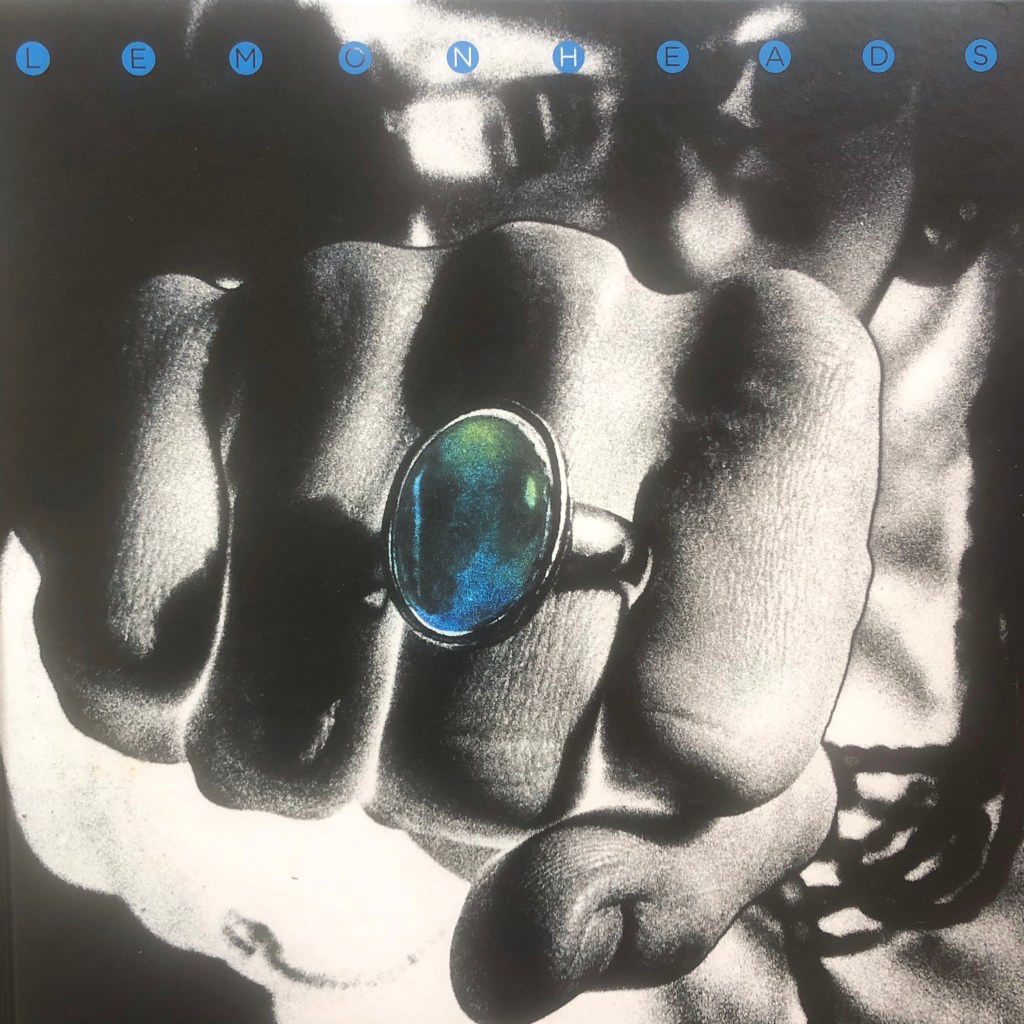
Lovey – Lemonheads
An absolutely brilliant package of my long time favourite Lemonheads album. It featured a hardcover book binding enclosing not only a new 20th anniversary vinyl pressing of Lovey (long unavailable) but also a bonus LP of a vibrant and typically ramshackle 1991 JJJ Live at the Wireless performance.
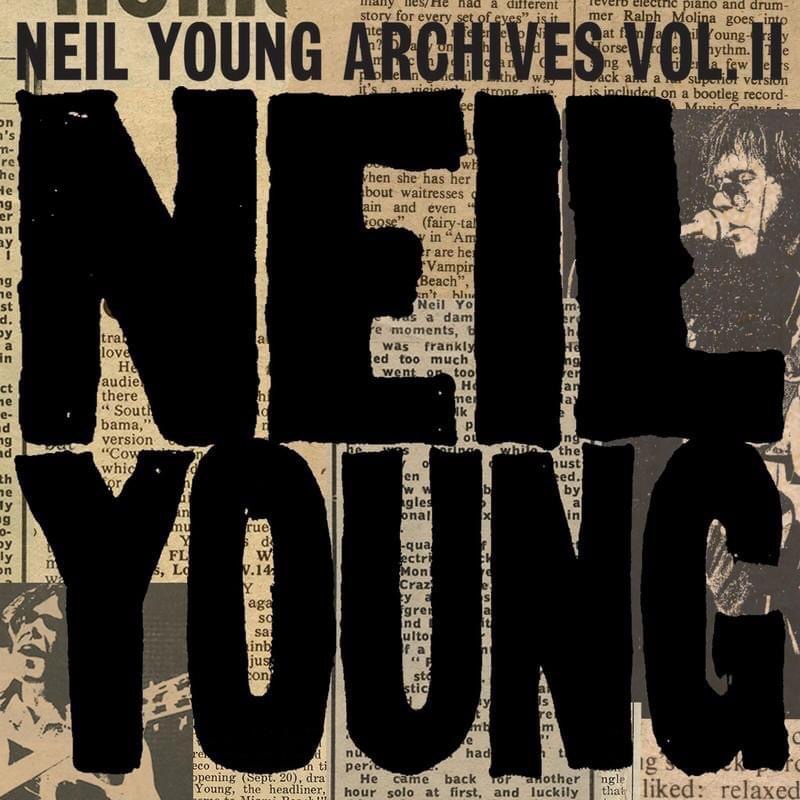
Archives Vol. II – Neil Young
Like Volume I, this is a sublime package of rare cuts, live and ‘lost’ albums. Like Volume I, it’s beautifully packaged and produced. Like Volume I, it annoyingly was preceded by many of the albums being released over the last couple of years, so by the time it was released, fans had already recently forked out for much of the content. Still, we needed to have it for the packaging and the deep cuts not available elsewhere.
Homegrown – Neil Young
Finally Young released his shelved personal follow up to his smash hit Harvest album. While not at the very top of Young’s cannon, it is a worthy addition to your collection.
Wildflowers & All the Rest – Tom Petty
A great (2014) remaster of Petty’s greatest solo album and of his his best releases overall spread over 2 vinyl LPs – plus a third LP of other studio tracks recorded during the sessions. Also available as a 7LP Deluxe edition with additional demos/outtakes and a live show from the Wildflowers Tour. I settled for the value 3 LP edition.
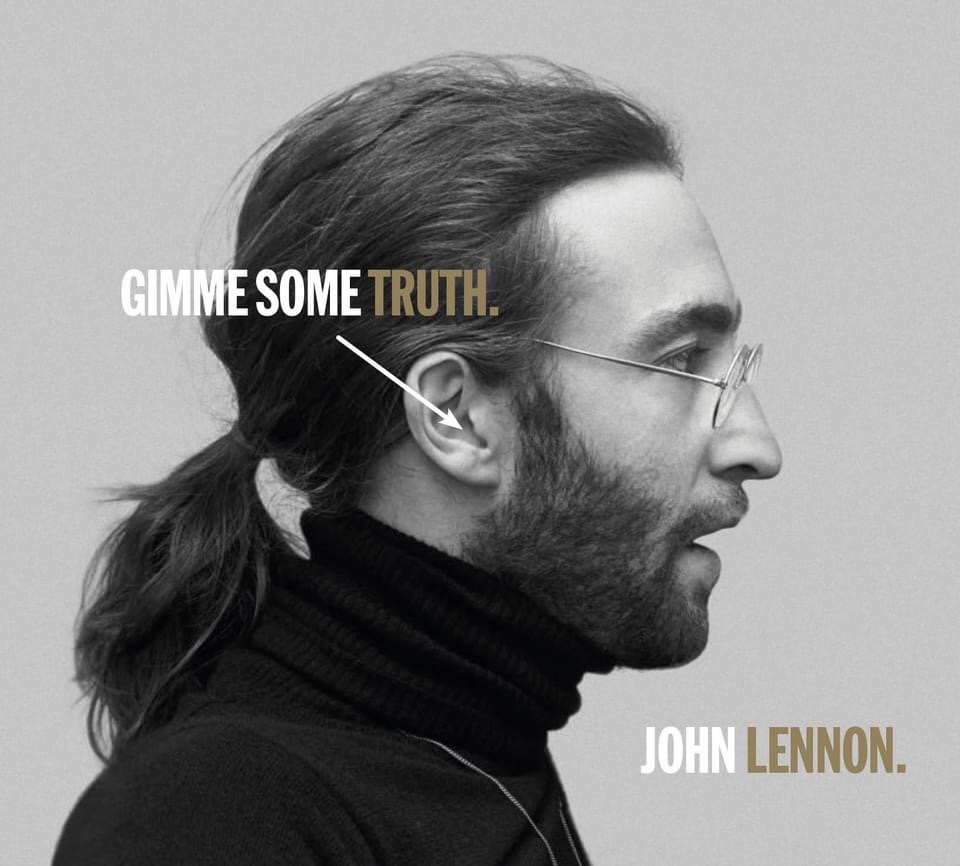
Gimme Some Truth – John Lennon (4LP Box Set)
Picks the eyes out of John Lennon’s, often inconsistent, solo albums. Arguably the best way to hear Lennon’s solo cannon – just the good stuff.
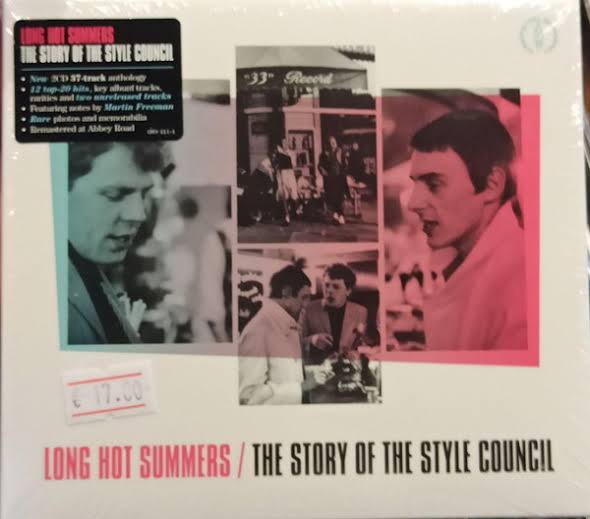
Long Hot Summers / The Story of the Style Council
Another terrific band whose output was often great and, in retrospect, groundbreaking – but which suffered from inconsistency when heard in the context of the individual albums. At the time, they also suffered from comparison of the vital The Jam albums which preceded them. This compilation, selected by the band itself, includes many extended versions which go deeper and represent better the bands vision. Essential. As the first vinyl run of the collection sold out in no time, I’ve had to make do with TIDAL until my back order arrives.
The Palace at 4am (Part 1) – Jay Bennett & Edward Burch
The 2002 Wilco Documentary ‘I Am Trying to Break Your Heart’ famously shows in graphic detail the breakdown of the band’s central partnership between Jeff Tweedy and Jay Bennett. We all know what happened next with Tweedy’s Wilco continuing to achieve great success. This album is what happened next for Jay Bennett. How I never managed to discover it before this 2020 RSD re-issue is perplexing. It’s a classic. If love great pop music, check it out.
Mental Notes/ Second Thoughts/ Dizrythmia – Split Enz
2020 saw the release of a 40th Anniversary`of Split Enz’s 1980 masterpiece True Colours, but what really excited me this year was the re-issues of their first three albums in glorious coloured vinyl editions with superbly curated gatefold sleeves. An overdue chance to revisit these wonderful art-pop albums which contain much to love beyond the recognisable ‘hits’.
Grandpa Would – Ben Lee
The story of Ben Lee’s discovery, as a 15 year old Aussie school kid by Sonic Youth’s Thurston Moore and signing to the Beatie Boys’ Uber cool Grand Royale record label is now legendary. Lee’s pairing with producer Brad Wood (hot off having produced Liz Phair’s classic debut Exile in Guyville) provided the perfect setting to capture a rare mix of innocence, raw talent and youthful exuberance and translate it to vinyl. This 25th anniversary set presents the resulting debut album on LP1 and further demo’s and outtakes on LP2. The second LP is interesting but the original LP remains a classic which captured a moment of creative synchronicity the heights of which Lee never recaptured.
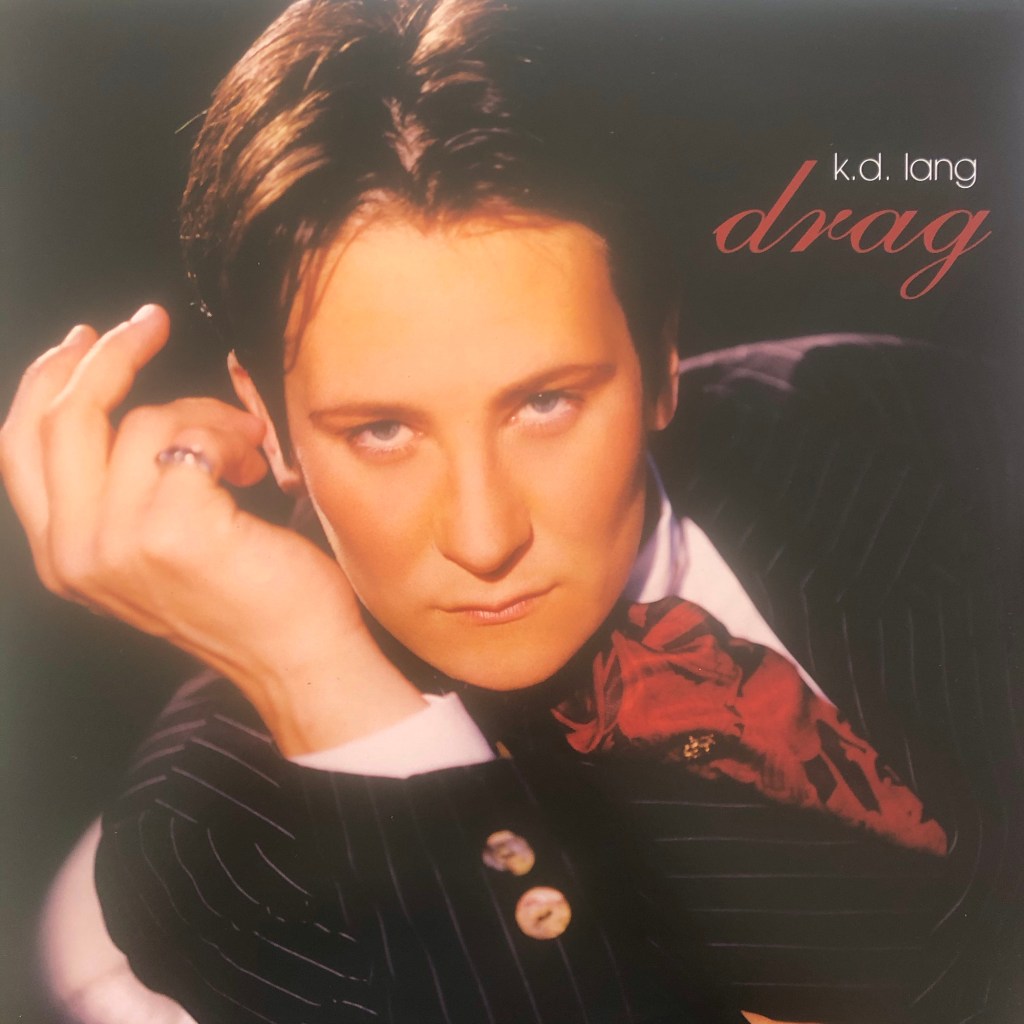
drag – k.d. lang
This concept album of covers of songs loosely arranged around the theme of smoking presents k.d. lang’s skill as a vocalist and interpreter in fine relief. This 2020 RSD edition marks a welcome vinyl release of the album.
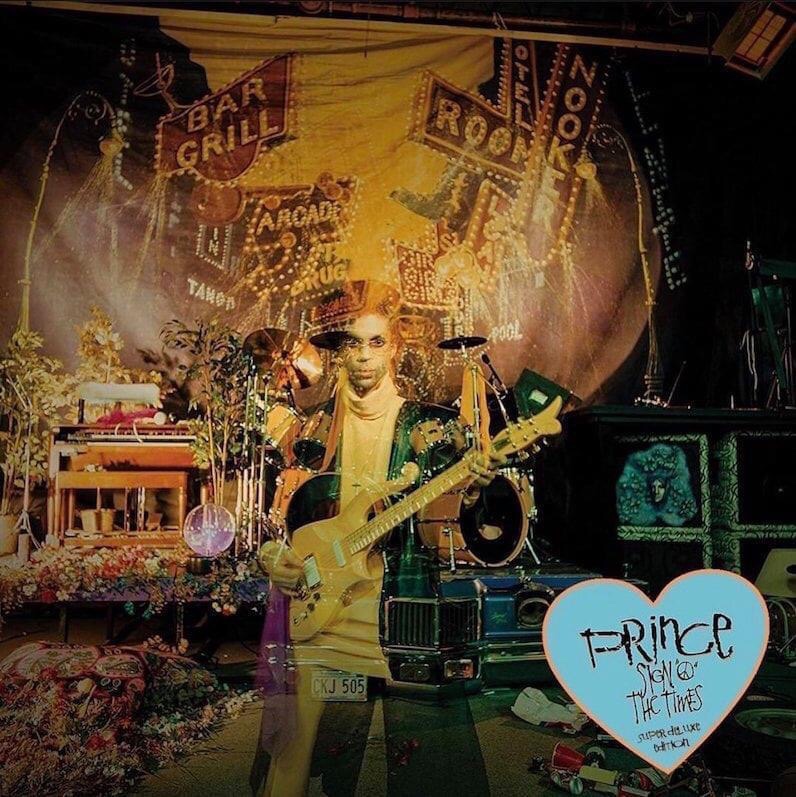
Sign of the Times – Prince
Prince’s definitive statement as a musician in a new remastered package. A masterpiece.
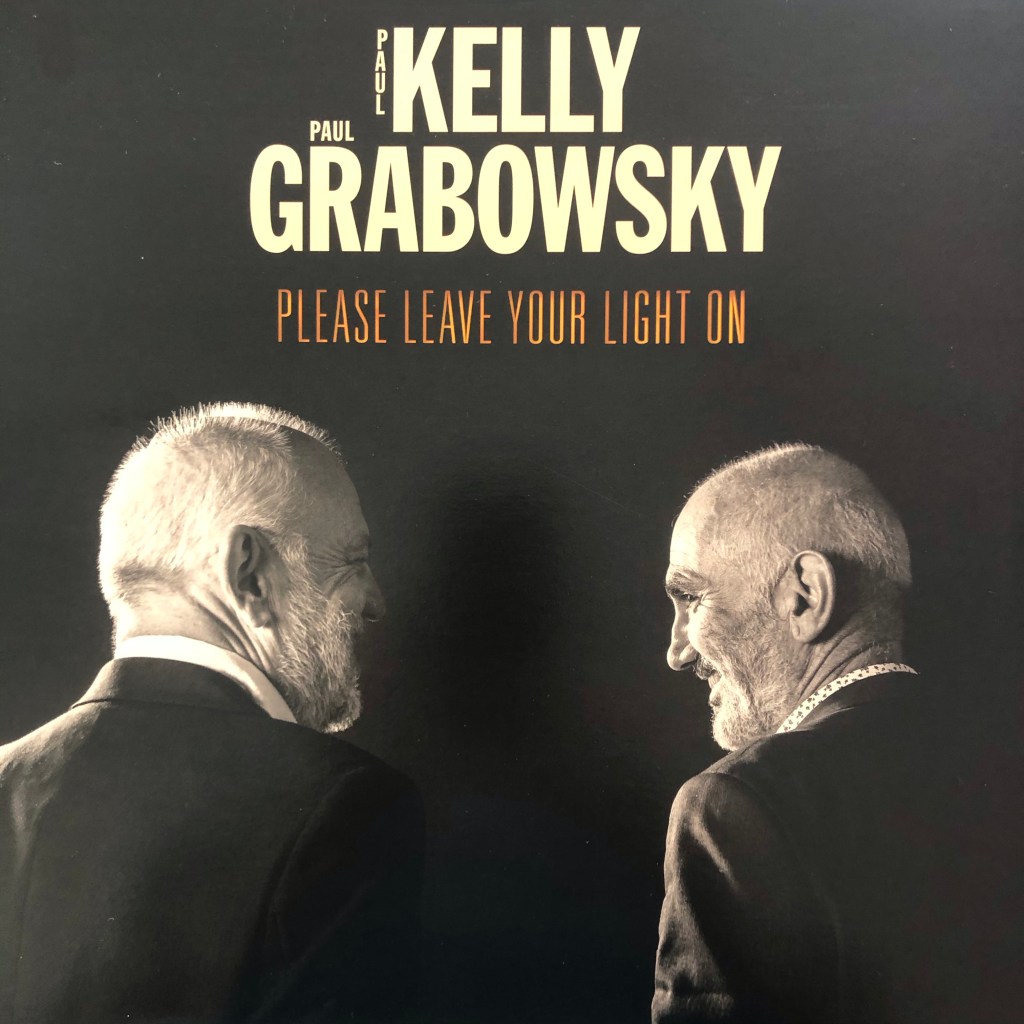
Please Leave Your Light On – Paul Kelly & Paul Grabowsky
Paul Kelly, one of Australia’s best songwriters, has always had a way with a piano ballad. His solo piano led renditions of a number of this songs as part of his famed A-Z Tours proved that beyond doubt. His paring here with Grabowsky, one of Australia’s finest jazz pianists and bandleaders is inspired (and given their previous connections, long overdue). A fantastic recasting of these classic songs.
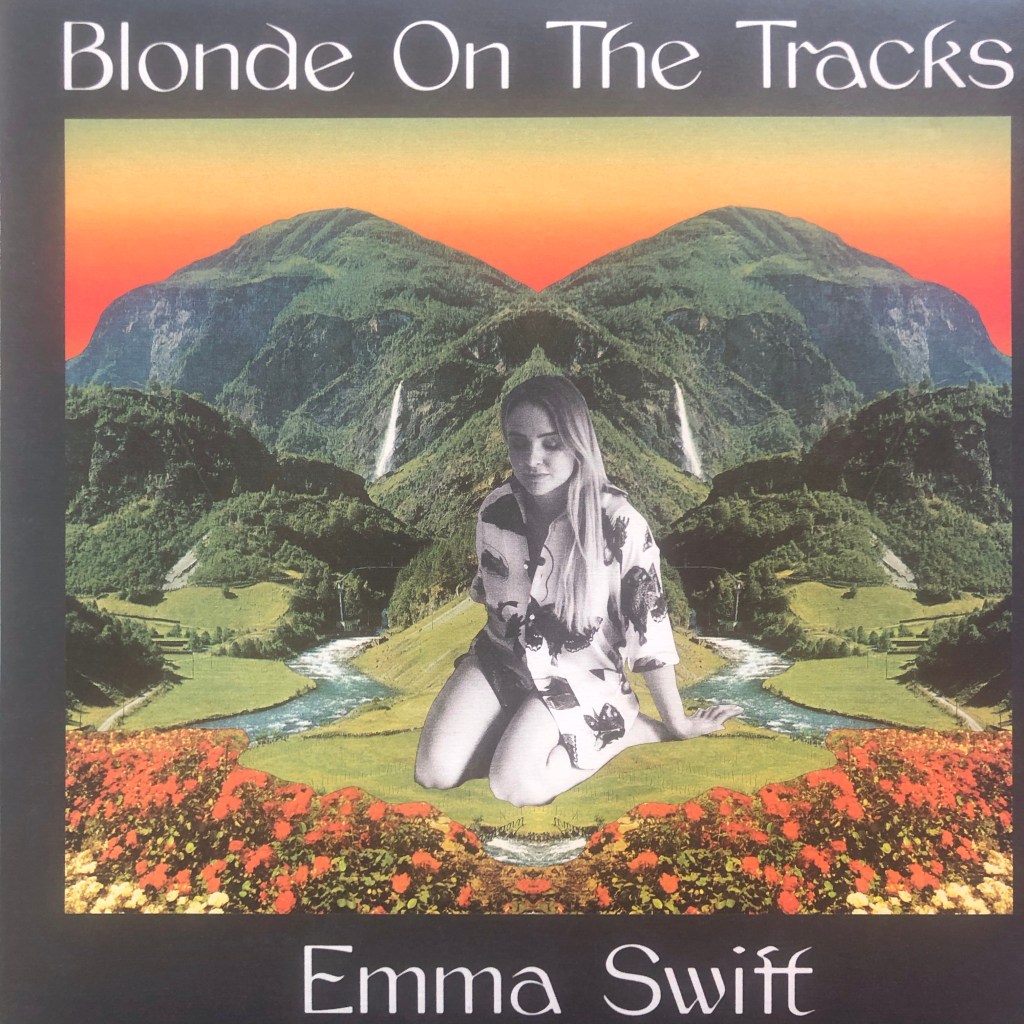
Blonde on the Tracks – Emma Swift
Recording a whole album of Bob Dylan covers would hardly seem a natural choice for a young female songwriter from Australia – but relocated to Nashville – and with a reputation based largely on one excellent EP (Bittersweet). But so beguiling – and audacious – are these versions that it has thrust Swift into the spotlight. We can’t wait to see what she does next.
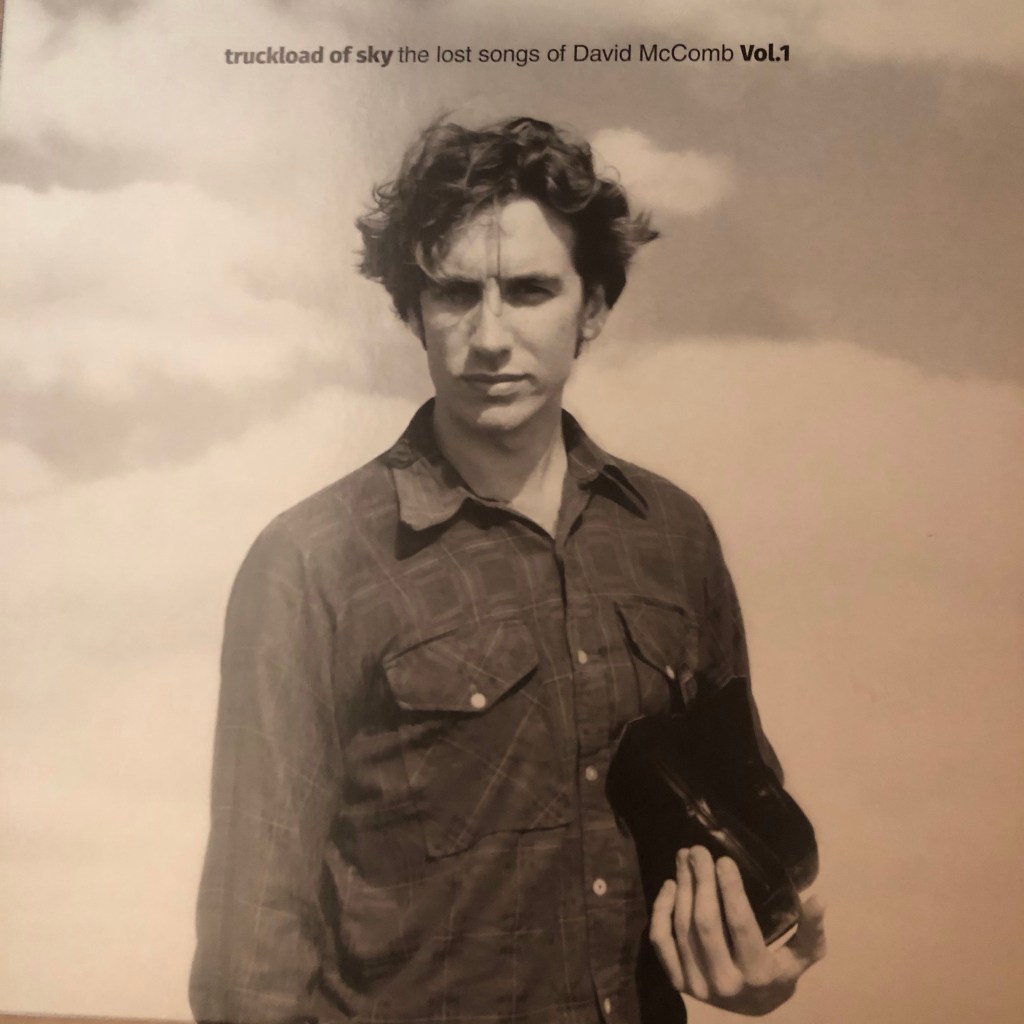
Truckload of Sky, The lost songs of David McComb Vol. 1 – by the friends of David McComb
I’m not generally a fan of multi-artist tribute albums. With a few exceptions, the majority are more miss than hit. Delivering either too faithful (but inferior) copies or reinterpreting them to lesser effect, or worse, losing the spirit of the original. That claim can’t be made here. Firstly because these are ‘lost’ songs written by David McComb but never released. Secondly, these are not just random bands with some label affiliation but a group of musicians who were friends and/or collaborators with McComb. They came to the project out of love and with an innate understanding of the McComb’s artistic spirit. It’s the embodiment of that spirit which makes this album a triumph and one of my favourite albums of the year in any category.
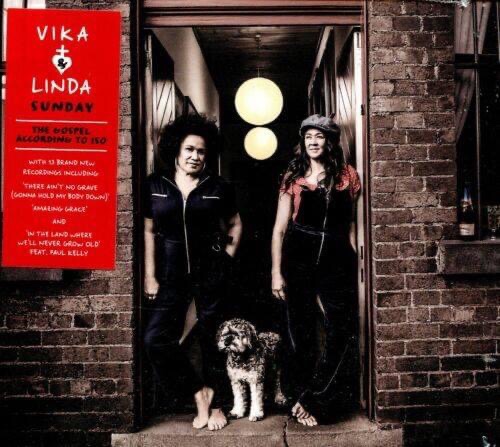
Sunday – Vika & Linda
Vika & Linda are national treasures whether as part of the Black Sorrows, accompanying Paul Kelly or on their own releases. This isolation recorded album of covers achieves an intimacy which suits the mostly gospel material.
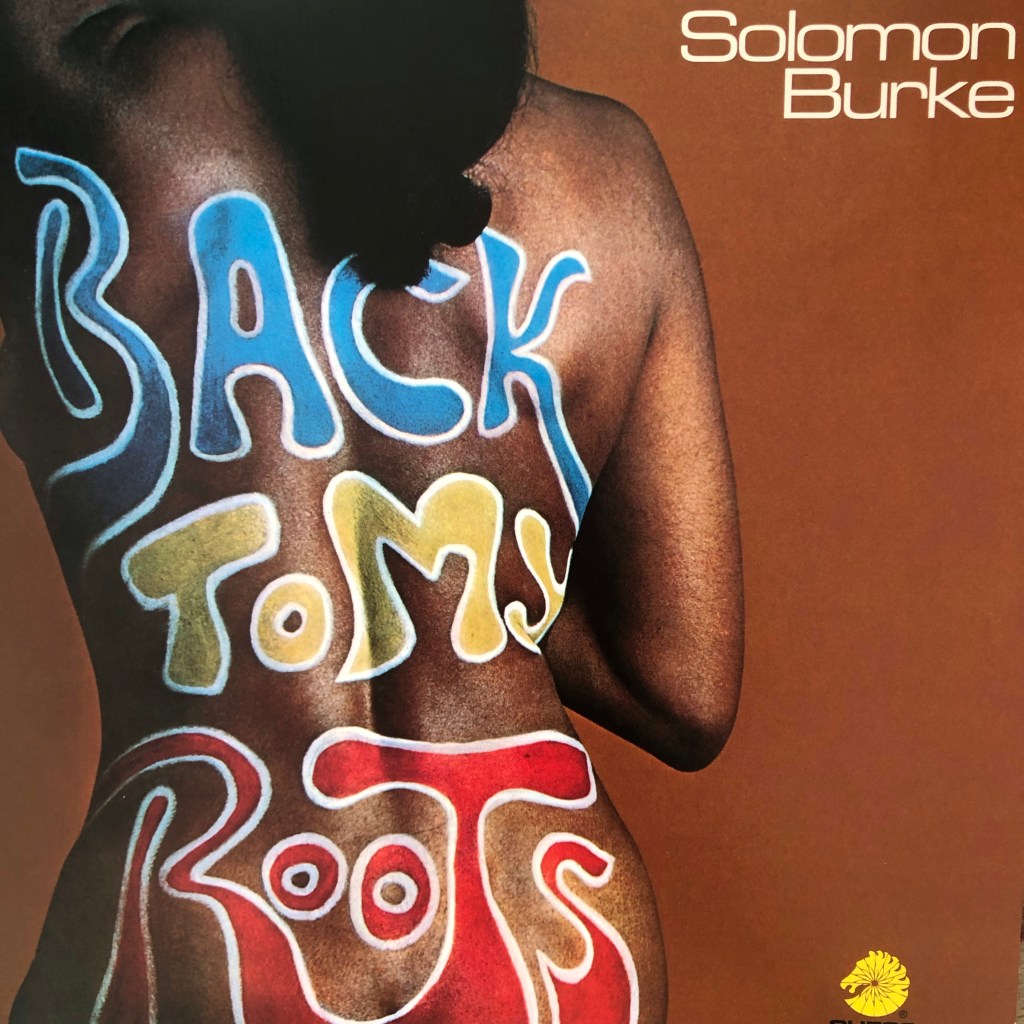
Back To My Roots – Solomon Burke
Solomon Bourke is indisputably one of the soul greats. This RSD re-issue of his 1976 Chess outing is yet more proof of that fact. And the worth the money for the cover art alone.
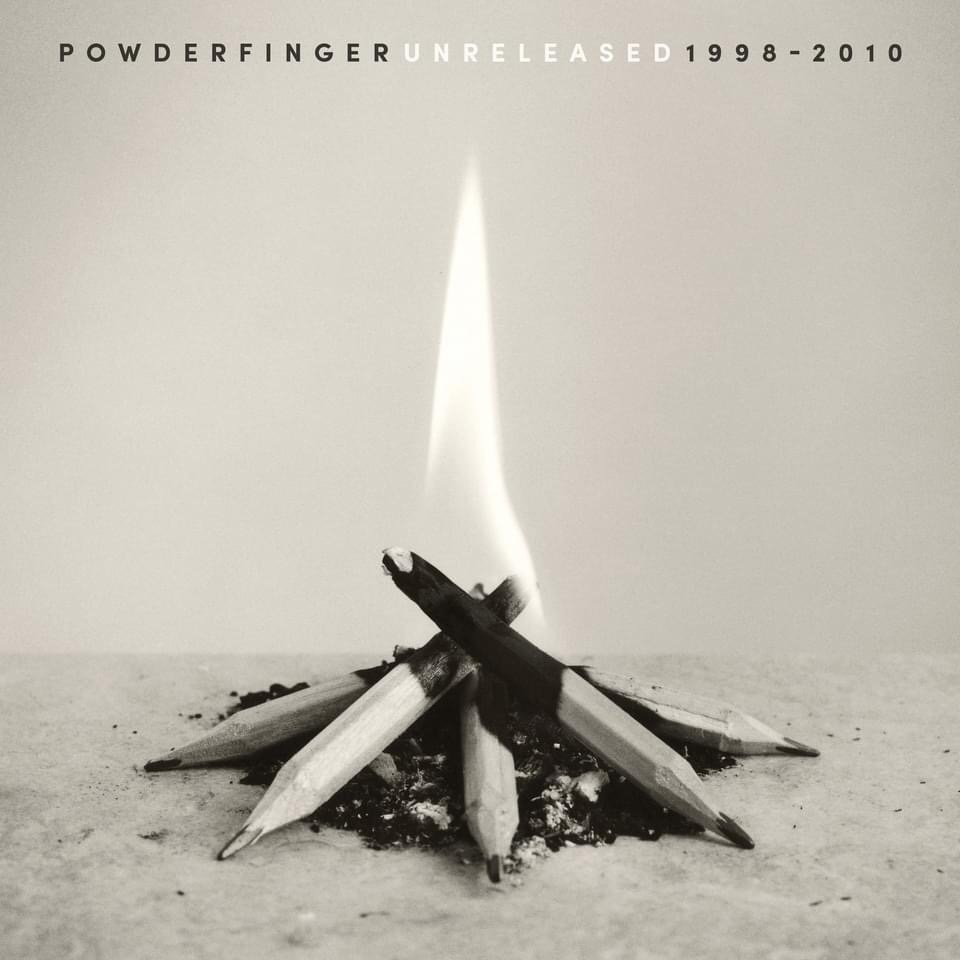
Unreleased 1998 – 2010 – Powderfinger
As the name suggests, this collection of unreleased tracks spans the bands career and capture each of their many facets which made them one of the countries most popular bands. While it’s a little hit and miss, there are some real treasures here and it adds up to more than a mere curiosity.
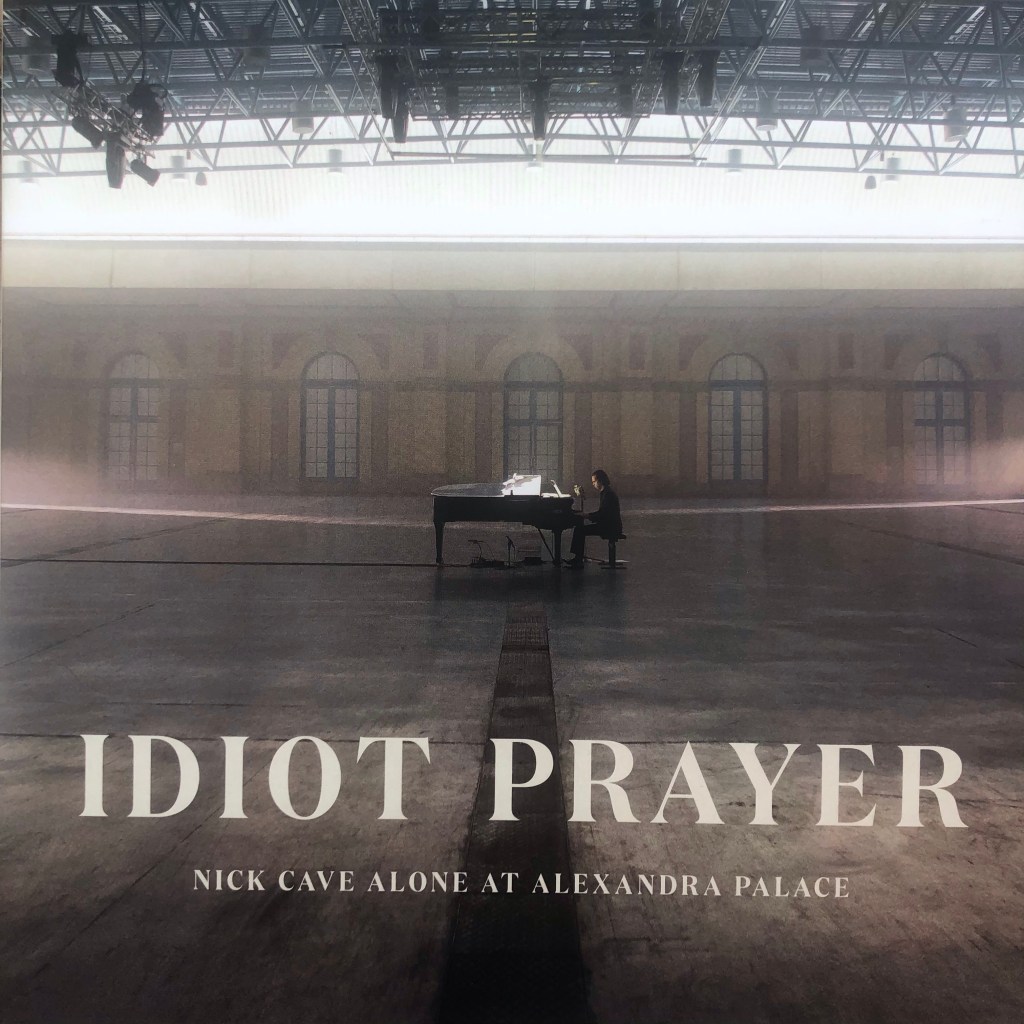
Idiot Prayer – Nick Cave Live at Alexandra Palace 2020
2020 was not a great year for live music thanks to Covid-19 BUT it was a great year for streamed live performances and, in the case of Nick Cave, a concert event filmed live in June 2020 at Alexandra Palace in London and streamed live to ticket holders prior to a worldwide cinema release. It was the apotheosis of the streamed concert a phenomenon which saw ‘real’ live-music-deprived concert geeks attending streamed gigs all over the world on their TVs. So thoroughly, and intimately, did Cave reinterpret his broad cannon, that this performance stands with the best live albums ever made and certainly my highlight of the year.
Live at Canterbury House 1967 – Joni Mitchell
Canterbury House was a vibrant community centre set in an old converted print shop in the university district of Ann Arbour Michigan. Its community centre, part coffee house part counselling centre, part performance space. In addition to hosting intimate alcohol free musical performances (for which it acoustics and state of the art sound system were perfect), it was also used for film nights, plays and church services.
With a capacity of only 200, and due to its ‘60’s community spirit, it was a special place for musicians seeking an intimate connection with their audience. It’s that spirit which pervades the music on this wonderful release of Joni Mitchell’s early career performance here on 27 October 1967.
Recorded prior to the release of Joni’s debut Song of the Seagull, the set list included a number of tracks from that album as well as early Mitchell penned songs which has already been hits for others and which would be subsequently released by her on later albums like ‘Both Sides Now’, ‘Urge for Going’ and Little Green’.
For fans of Joni Mitchell this is an indispensable glimpse of her early genius as she started her journey which would be era diving and create a body of work the equal of any other artist from that time.
Live Drugs – War on Drugs
I had the pleasure of seeing War On Drugs live at Sydney’s Enmore Theatre in 2018. So warn, entrancing and insistent was the enveloping sound of Grandulciel’s band that it rendered the band’s name oxymoronic. The music enveloped us all in its warm narcotic grip. This live album can’t quite match that intensity but delivers the band’s sound and greatest compositions so naturally that it allows their beauty to shimmer in a way the wonderful studio version never quite do.
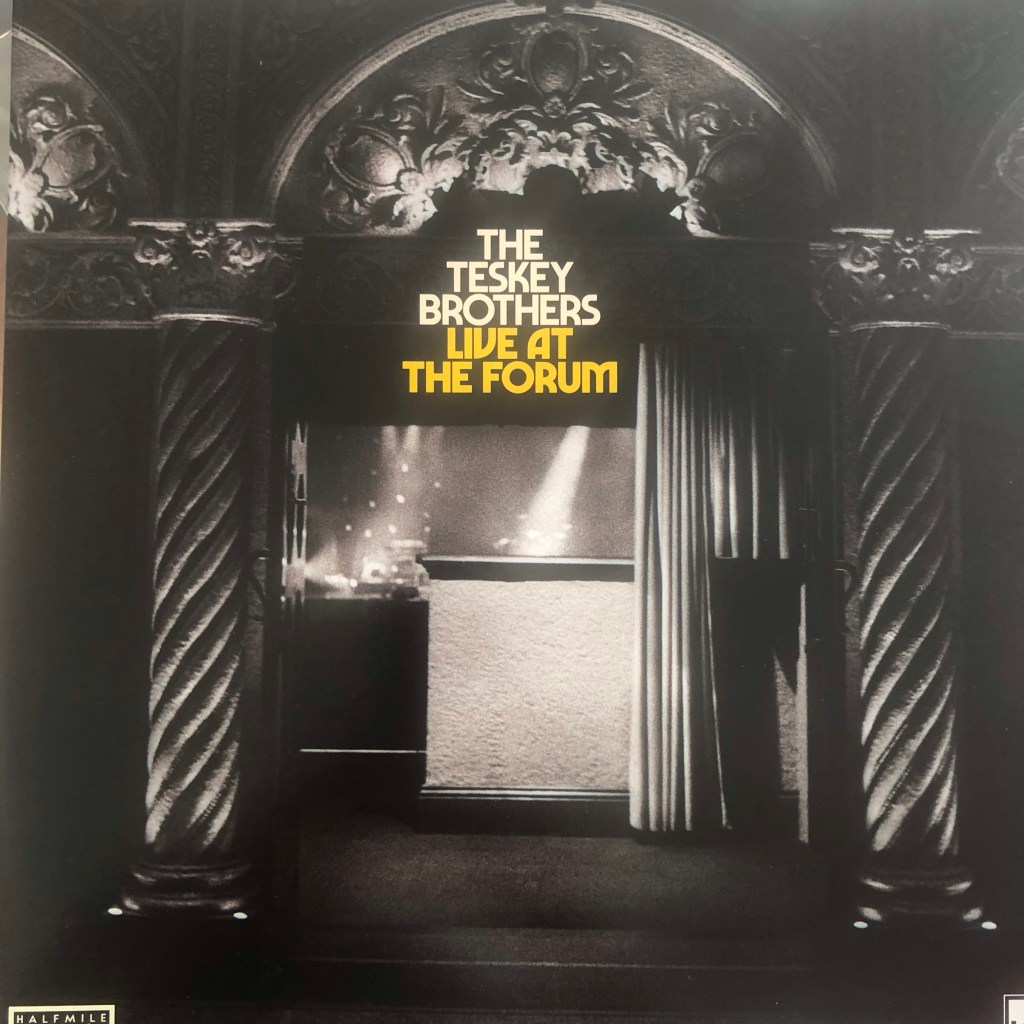
Live at the Forum – The Teskey Brothers
When Josh Teskey, part way through this live album, breaks into a cover of Jealous Guy and admits it is influenced more by the Donny Hathaway live version than the Lennon original, we are reminded that Melbourne’s Teskey Brothers are the real deal. They have lived and inhabited the music that they have grown up with and loved and coupled it with their own distinct songwriting and brother Sam’s excellent guitar work to win fans around the world festival circuit. While that is in hiatus, we can comfort ourselves on this live album which is redolent of the great live discs of sound music, Otis Redding, Bill Withers and Hathaway, without ever feeling like a mere tribute.
The Complete Inconserated Live – The Replacements
Recorded in Milwaukee in 1989, following the release of Don’t Tell A Soul (the 2019 release of the original mix of which – as Dead Mans Bop – was the highlight of of last year’s re-release schedule). This 2020 live RSD release contains all 29 songs from that performance (a shortened version was included with the Dead Man’s Bop set). The Replacements were a famously unpredictable live proposition but both this set and the previous Replacements For Sale catch them at their incendiary best – constantly courting the shambolic edge of oblivion but never descending into the chasm – an ability which made them, on their best nights, amongst the set live acts around (and got them banned for life from NBC shortly prior to this performance). As a huge fan during the late ‘80’s, it was a dream to catch them live at the Roundhouse in London at the tail of their 2015 live run. It’s great to now have two live albums available in full to remember them by.
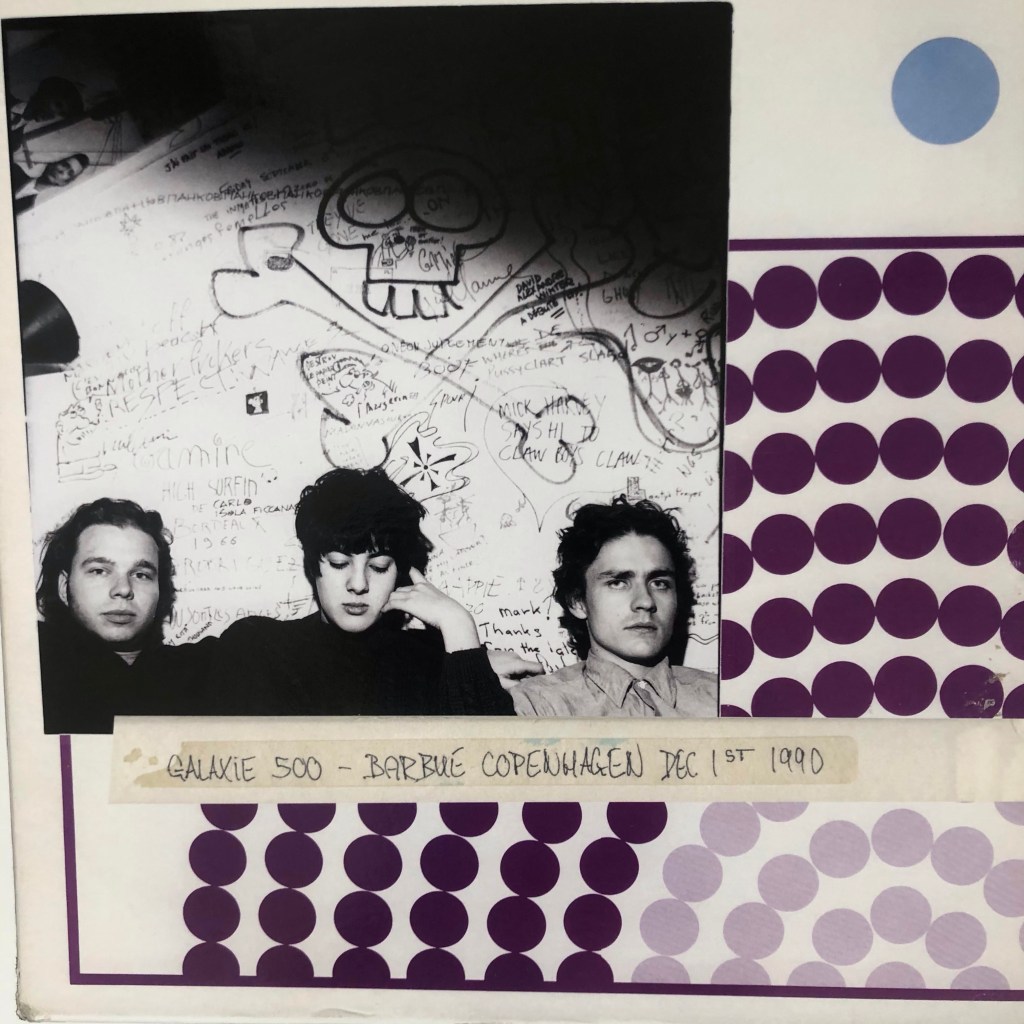
Galaxie 500 – Live at Barbue Copenhagen Dec 1st 1990
Another RSD live release by one of my favourite bands. Hard to get a hold of – and, like many RSD releases, overpriced – but worth it. Galaxie 500 at their short lived peak. First time available on vinyl.
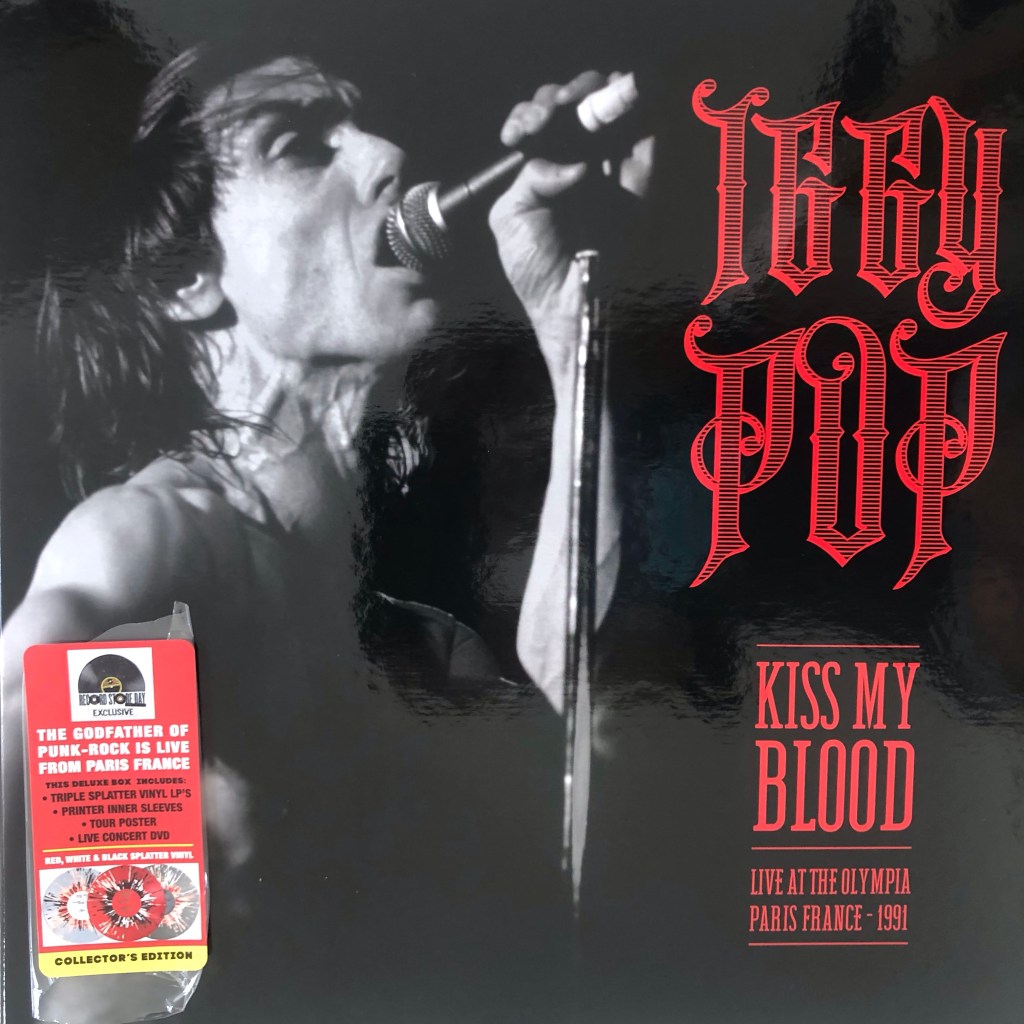
Kiss My Blood – Iggy Pop Live at The Olympia Paris France 1991
An RSD 3LP set recorded as part of the Brick To Brick Tour. Contains all the tracks you know and love him for performed with just the right mix of professionalism and intensity. Comes with a limited edition numbered tour poster too.
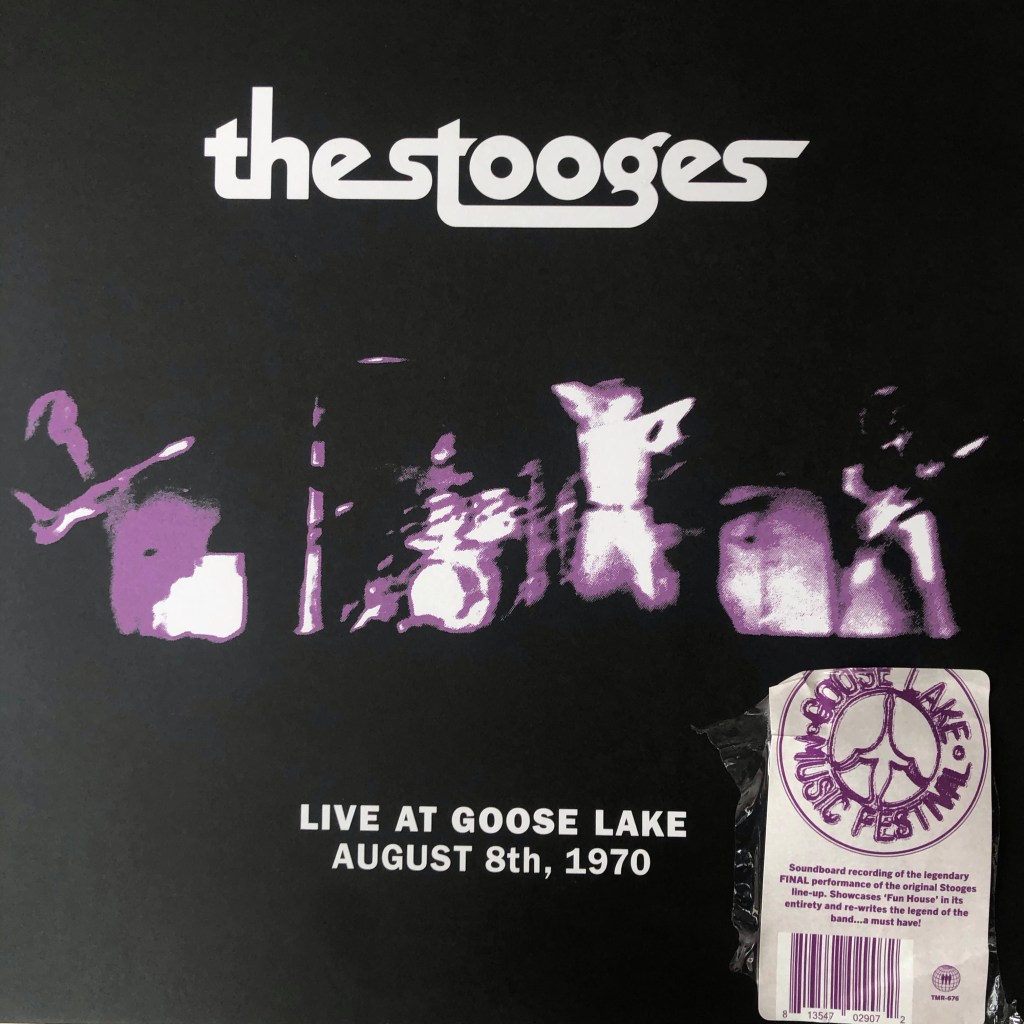
Live at Goose Lake August 8th, 1970 – The Stooges
Everything you’ve heard. About this gig is true. Raw, shambolic, incendiary, punk which pushes it all the way to the edge – and over. The soundboard recording only enhances the legend.
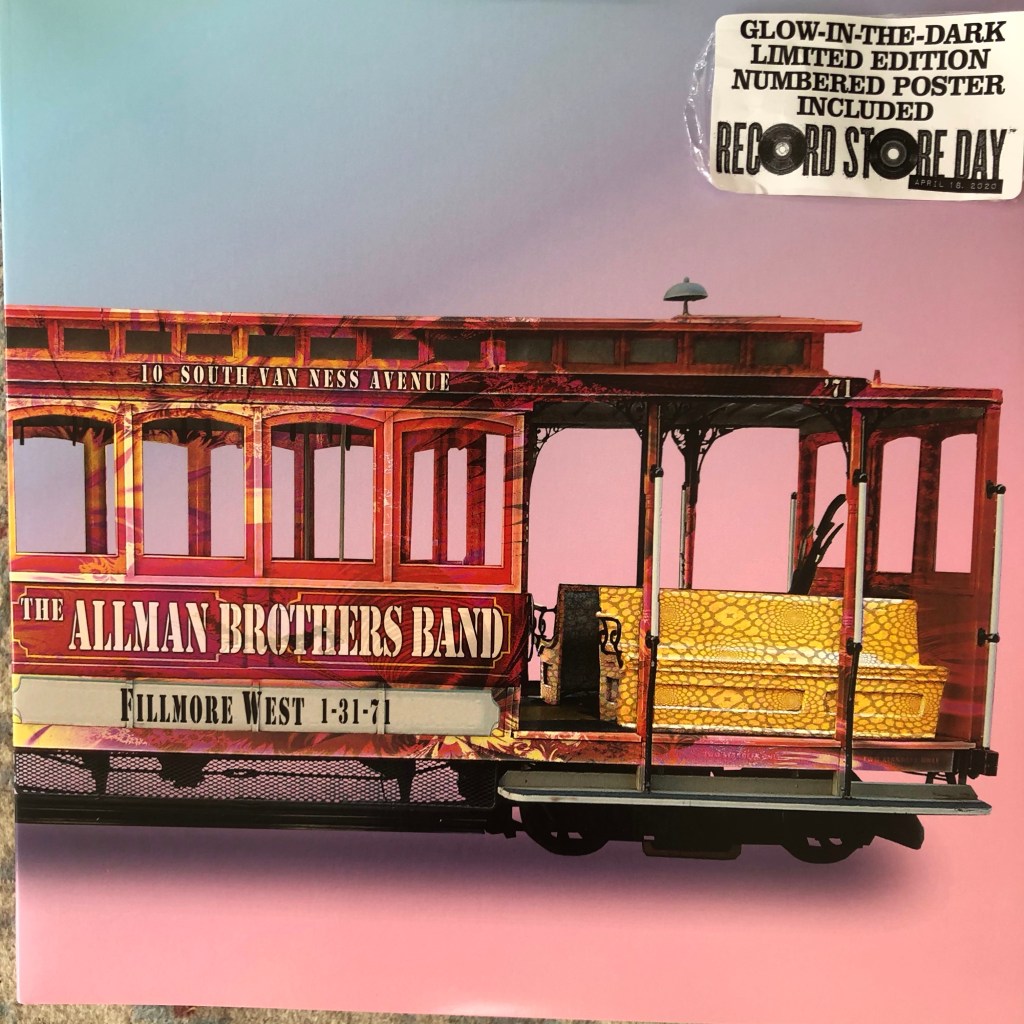
The Allman Brothers – Live a Fillmore West 1-31-71
Allman Brothers. 1971. No need to say more.
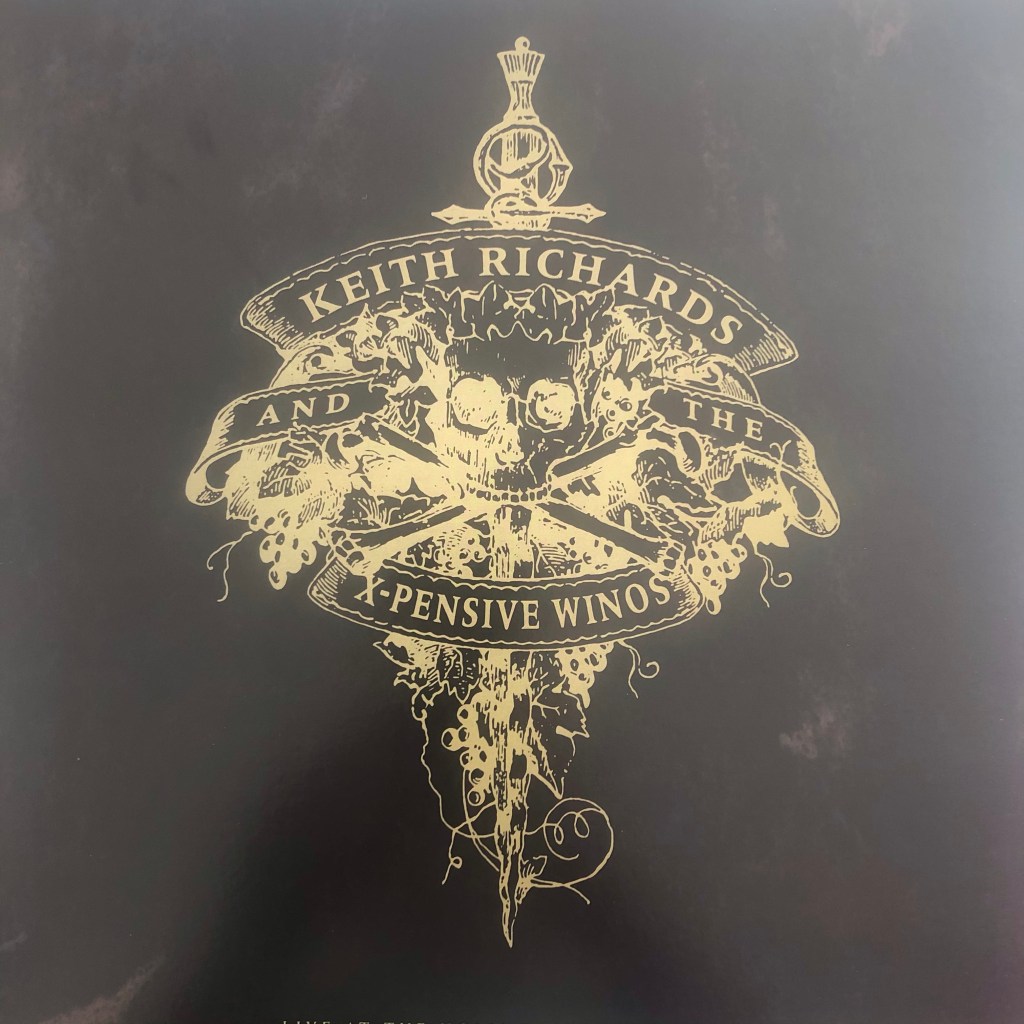
Live at the Hollywood Palladium December 15, 1988 – Keith Richards and the X-pensive Winos
An old favourite I’ve owned for years on CD finally re-issued on vinyl. The definition of swagger.
A personal selection by a music fan who has admittedly failed to listen to every album released in 2020 and has his own preferences and predilections
Rough & Rowdy Ways – Bob Dylan
Suddenly, out of nowhere, Dylan dropped, without warning, just as COVID-19 was announcing its presence, his epic new single Murder Most Foul. The track, clocking in just shy of 17 minutes, picked the eyes out of institutions, politics and pop culture centreing on the assassination of JFK. It was a major artistic statement which Dylan had reportedly been working on for over a decade. If that was all he had done in 2020, it would have been sufficient to confirm his presence as a relevant and vital artist (if 2012’s Tempest had not made that clear enough). Dylan, however, followed it with I Contain Multitudes and then the album Rough & Rowdy Ways to seal the deal. R&RW was not merely an unexpectedly resurgent artistic statement but a reassertion of Dylan’s status as an artist still in touch with his muse and still relevant almost 60 years after he first burst from New York’s folk bars and coffee shops to become the defining voice of the ‘60’s. It was the standout album of 2020.
2. Song for Our Daughter – Laura Marling
I saw Laura Marlingplay live at the Sydney Opera House on 7 March 2020. Little would I know that it would be the second last show I would see in the next 9 months. The crowd present showed great appreciation for the strong new songs interspersed throughout the evening – some of them being played live for the first time. The album, when it arrived, did not disappoint. Perhaps Marling’s defining statement and certainly the equal of her impressive catalogue.
3. Letter to You – Bruce Springsteen
Not even the surprisingly strong, if overproduced, Western Stars (or its superior movie soundtrack recorded live in Springteen’s converted barn which now serves as his studio) prepared us for the Boss’ resurgence with Letter To You. Anchored by a selection of older songs, and billed as a letter of thanks to his fans, Letter To You contained echoes of his classic albums accompanied by the finely honed musicality of the E Street Band. Arguably his best since the under-rated Devils & Dust
4. The Prisoner – Phoebe Bridges
A fuller, more complete, artistic statement which built upon the promise of her debut.
5. Hey Clockface – Elvis Costello
A sprawling tour-de-force displaying the full range of Costello’s talents but (somehow) coalescing into a complete and congruous artistic statement.
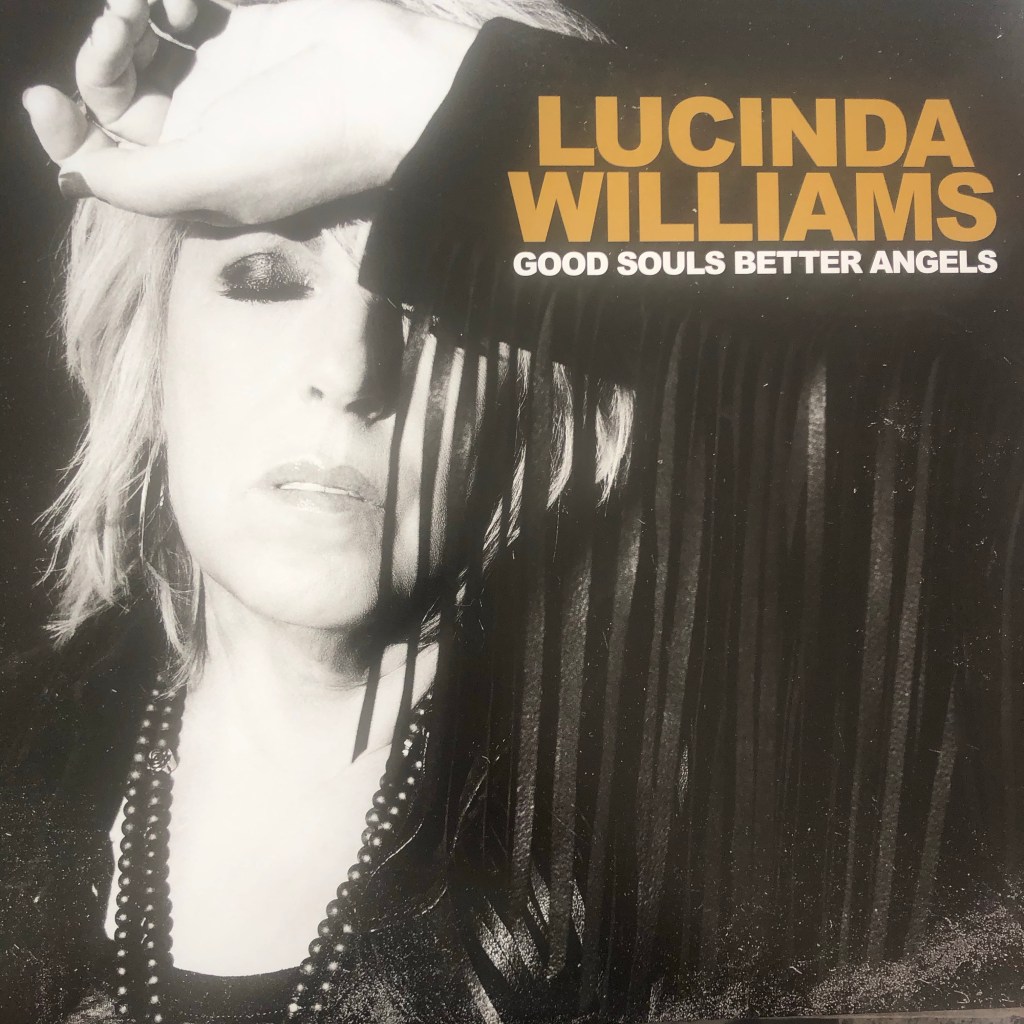
6. Good Souls, Better Angels – Lucinda Williams
Ms Williams channels her righteous anger at external targets (principally Trump) rather than her usual introspection, and hits a bulls-eye perfectly suited to 2020.
7. Reunions – Jason Isbell and the 400 Unit
Isbell continues to mine his talent for stories of peoples, places, struggles and redemption. The 400 Unit continues to back those songs with exceptional playing rivalled only by that of the Springsteen’s E-Street Band. If Dave Cobb’s too slick production (which appears designed to take Isbell to the next level) distracts from the honesty of Isbell’s songs, its a minor quibble and the songs, most notably ‘Only Children’ and ‘St Peter’s Autograph’, continue to shine through.
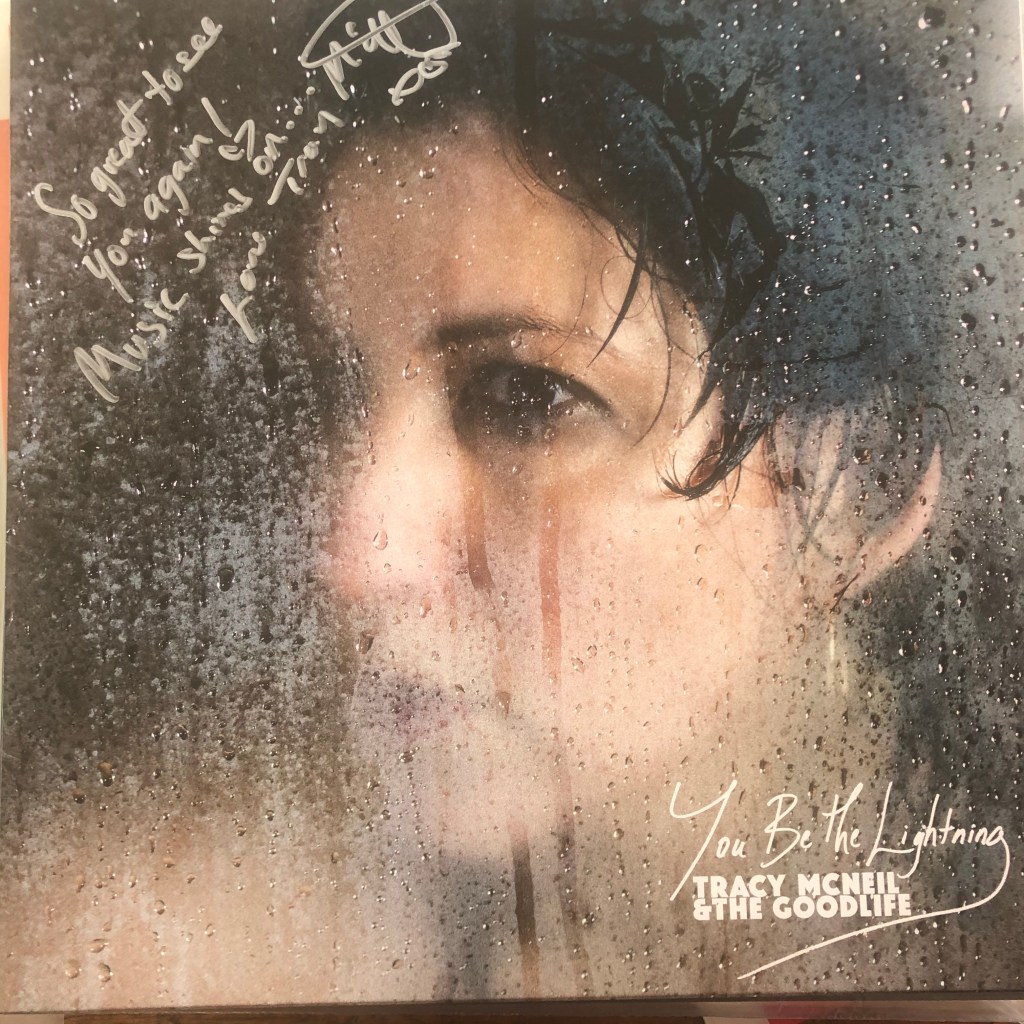
8. You Be the Lightning – Tracey McNeil & the Goodlife
2020 was supposed to be the year for Tracey who gave up her lease to hit the road in a van with her partner in life and music Dan Parsons to support the long awaited release of this album. The music lived up to its promise but the timing was crueller by COVID-19. It deserves wider recognition.
9. In and Out of the Light – The Apartments
Another fine addition to the all too infrequent – but uniformly excellent – catalogue of this fine band. Thoughtful, literate, chamber-pop doesn’t get better than this. Underpinned by Peter Milton Walsh’s sonorous languid vocals and superior songwriting ably supported by his fine band including Chris Abrahams’ (The Necks) elegant piano flourishes and Nick Allum’s haunting drums and percussion.
10. World on the Ground – Sarah Jarosz
Another fine country/Americana album from a hugely talented singer and songwriter. With the help of Jon Leventhal, Jarosz has taken a marked step forward with both songwriting and performance on this album.
The next 10…
11. Lightning Show Is Your Stuff – Grant Lee Phillips
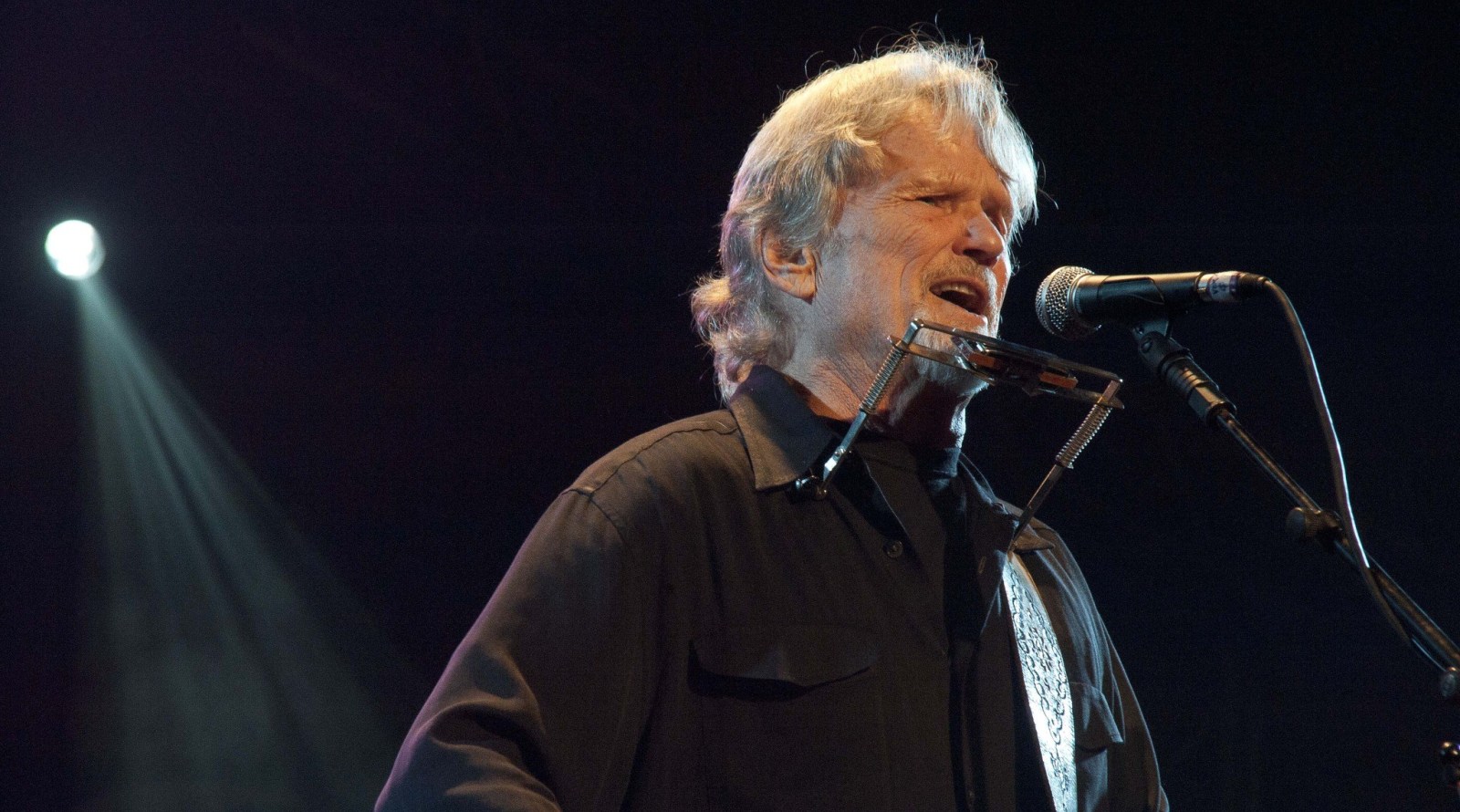
The legendary Kris Kristofferson took to the stage, with his trusty acoustic guitar slung over his shoulder, and raised one arm into the air in acknowledgment of the warm reception from the crowd.
He was surrounded on the stage by none less than The Strangers, the late Merle Haggard’s long time band featuring Scott Joss (fiddle and vocals), Doug Colosio (keyboards & vocals) and Jeff Ingraham (drums).
As we sat in the State Theatre’s plush crimson velvet seats, watching Kristofferson’s entrance and anticipating the show, it was hard to ignore that Kristofferson’s presence, though retaining a hint of his trademark smirk and glint in his eye, was withered and showing the effects of his 83 years. You could say he looked nearly faded as his jeans.
As he launched into opener Shipwrecked in the Eighties, it became clear that those years had also affected his vocals and guitar playing.
The Strangers provided a solid base for Kristofferson’s songs with flourishes of Joss’ fiddle and Colossio’s keys adding accents to the too sparse palette of Kristofferson’s vocals and minimalist acoustic guitar. At times, it seemed the band showed too great a deference – a reluctance to overshadow Kristofferson. As a result, they hung back which left Kristofferson’s performance limitations on display and hard to ignore. It was, at times, uncomfortable to watch. [A friend of mine, and fellow Kristofferson fan, called it, rather less kindly, a ‘train-wreck’].
The tracks where the Strangers asserted a firmer hand worked best, where Scott Joss’ excellent vocals swooped in to play a strong supporting role or the Merle Haggard covers, and Joss’ own ‘How Far to Jordon’, on which he took the lead vocal. But we had come to see Kristofferson perform his fine songs, so the band’s reverence was understandable. Still, many of those songs would have benefitted from a ‘second’ guitarist given Kris’ playing was rudimentary (at best) and failed to deliver the ease and beauty of the finger picking melodies essential to the songs.
It was hard to quibble with the set-list though, which included a long list of Kristofferson’s greatest compositions including: Darby’s Castle; Me and Bobby McGee; Best of Both Possible Worlds; Casey’s Last Ride; Loving Her Was Easier (Than Anything I’ll Ever Do Again) [all from the first set] and Just the Other Side of Nowhere; Duvalier’s Dream; Jesus Was a Capricorn; Sunday Morning Coming Down; For the Good Times and Why Me [from the second set]. It’s just that we didn’t get versions which did justice to the brilliance of the songwriting or came close musically to the recorded versions. Too often Kristofferson’s delivery failed to enunciate the superb lyrics clearly and the much-loved melodies failed to emerge.
Luckily, we all knew those tunes so well that our imagination was able to fill some of the gaps and salvage some enjoyment out of the undeniably brilliant batch of songs. Towards the end I even started softly singing along (something I usually detest when I’ve come to hear the performer) and was joined by others around me at the front of the theatre in a concerted communal effort to somehow offer our support to Kristofferson by willing a bit of melody, life and energy back into the songs.
When the show concluded, the audience, in spite of it all, rose to its feet to give Kristofferson a rousing standing ovation. It was a gesture of love and generosity, but one which left me personally conflicted. Should I stand to join the ovation so generously offered by those around me? Should an ovation be offered to acknowledge the life achievement of one of the greatest songwriters of all time or should it be reserved for a great performance on the night in question? (I remained seated.)
Ultimately, the pervasive feeling throughout the evening was that, as far as live performance goes, it was impossible to deny that our love affair with Kristofferson was well & truly over but, despite it all (as revealed by the ovation and much post-show chatter) the audience was determined to do its best to make believe we loved him one more time. For the good times.
2018 has just come to a close, so it’s time to reflect on the year that’s been. Here’s my rundown of MY ten favourite albums of 2018.
2018 was the year where I got back into vinyl (thanks Taine for the hardware). In many of these albums, the vinyl has helped bring out feel and layers of the music which was missing from my early listens on Spotify and even from the CD versions. It’s also disciplined my listening, urging me to stop other things and just listen to the music – devoting my full attention.
2018 was a brilliant year stacked full of great albums from old favourites and a few new discoveries.
This list is not a list of ‘best’ albums just those that rang my bell. There are a number which just missed out which sat up there all year. Some of those that just missed the cut may be ‘better’ as in more original, newer or more inventive but these are the albums that I just wanted to listen to over and over.
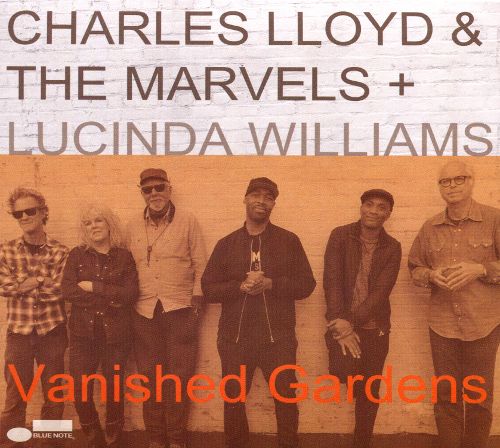
1. Vanished Gardens – Charles Lloyd & the Marvels with Lucinda Williams
Charles Lloyd and the Marvels’ Vanished Gardens intersperses jazzy country flavoured instrumentals with four Lucinda Williams vocals. The version of Ventura in particular surpasses the (very fine) original thanks to Lloyd’s saxophone lines which weave around Williams’ typically languid vocals. The production and the fine playing by all involved – including the dream combination of Bill Frisell on guitar and Greg Leisz on pedal steel and dobro – is utterly entrancing throughout the many fine compositions. My most played album of 2018. It sounds amazing on vinyl.
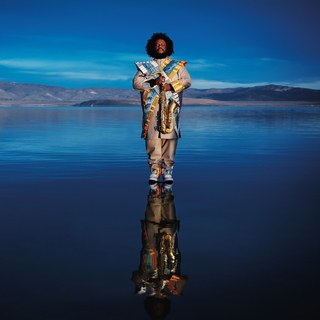
2. Heaven & Earth – Kamasi Washington
Kamasi Washington’s beguiling ‘Epic’ topped my list on release in 2016. Heaven & Earth is his second Masterpiece. The 2 CD/4LP work is arranged into two halves, the first “Earth’ traces the protagonist’s journey on earth from young firebrand (‘Fists of Fury’ – a version of the title track from the Bruce Lee film) through realisation and ultimately a form of wisdom and acceptance. ‘One on One’, the final track of the Earth half features a thematic ascension rendered by increasingly exuberant playing matched by swirling, uplifting choral voices. The second half ‘Heaven’ continues that journey with the music increasingly moving into the celestial realm culminating in the joyous ‘Will You Sing’. Concept albums can be vexed but not this one, Washington’s great accomplishment is to present this explorative journey in a manner which seems natural and unforced subtly integrating the individual tracks into a thematic whole not unlike an opera or symphony. Masterful.
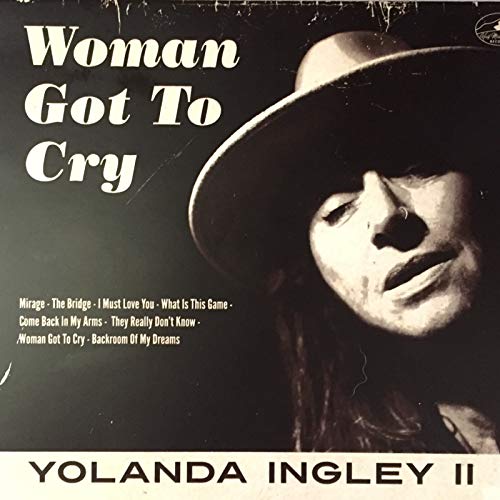
3. Woman Gotta Cry – Yolanda Ingley II
In what has been an excellent year for local ‘Americana’ music Yolanda Ingley II’s ‘Woman Got To Cry’ stood out from the pack coming on like a lost 60’s folk/soul classic. The production by Sam Teskey and the crack band they’ve assembled at his Half Mile Harvest studio in Melbourne – including Teskey’s own intuitive guitar work – make the most of Ingley’s immense songwriting talents and engaging vocals. If you told me each of these wonderful songs were lost classics taken from the Great American Songbook I would have believed you.
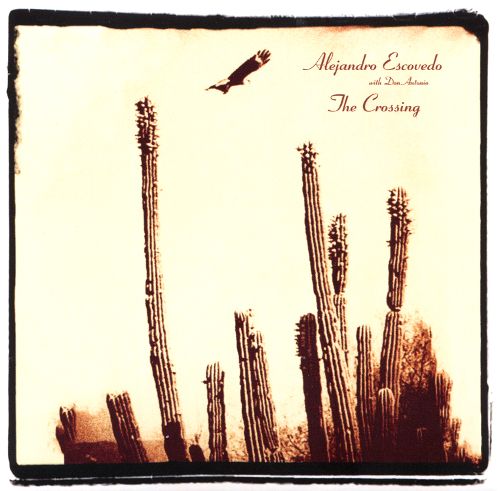
4. The Crossing – Alejandro Escovedo
Escovedo has been making great records, largely under the radar of commercial success for many years. He rarely disappoints. The Crossing is a new highlight (and possibly benchmark) of that illustrious recording career. It captures Escovedo’s chosen oeuvre – down at heel explorations of dusty towns, moral foibles and seductive women – in the vivid, cinematic monochrome of a concept album in which two immigrants meet in Galveston, Texas and begin their journey of discovery finding ‘an America that no longer existed’.
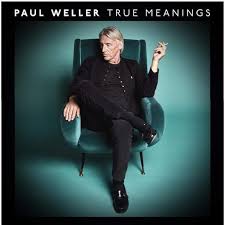
5. True Meanings – Paul Weller
True Meaning is yet another highlight of Paul Weller’s already illustrious solo career. The uniform quality of the songs and gentle dynamic interplay between voice, guitar, keyboards and lush (but not overplayed) intertwined strings adds up to one of my favourites of the year. The album renders 14 pieces of stunning consistency into a compelling collection which grabs attention from the opening side and never flags or repeats itself overs its course. The cover art work features Weller’s black clad image holding a cigarette and staring in contemplation and reflection while seated on a lush vintage teal velvet chair. It’s a shot which conveys a mix of age, style, poise and control which sums up the album perfectly.
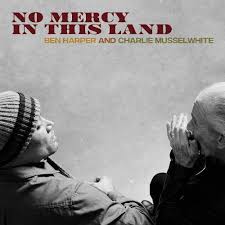
6. No Mercy In This Land – Ben Harper & Charlie Musselwhite
This second collaboration between Harper and renowned harpist and blues legend Charlie Musselwhite is a resounding success. The two seem immediately more familiar than the first time around working with a nuanced understanding of each other’s musicianship. Meanwhile Harper brings to the table some of his finest writing dropping at frequent intervals a beguiling turn of phrase – try these: ‘I found hay in a stack of needles’ (from ‘Found The One’); or ‘Come close you’ll see the red/ Of a well bitten tongue’ (form ‘No Mercy In This Land’) or ‘You practice law without a license/ Psychology too/ But your PHD is in giving me the blues’ and ‘ You get away with murder/ You got a way with words’ (both from ‘Movin’ On’). Great writing and great performances all around. Same goes for their excellent show at the Sydney Opera House.
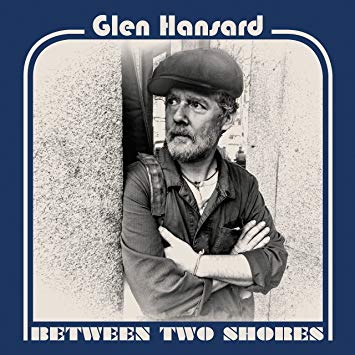
7. Between Two Shores – Glen Hansard
Glen Hansard’s solo material continues to go from strength to strength with Between Two Shores, his follow up to 2016’s Doesn’t He Ramble. From the slow burn opener Roll on Slow to the straight ahead rock out of Wheel’s On Fire, the pensive Setting Out right through to the final denouement of the final two tracks of resignation and renewal – You’re Heart’s Not In It’ and ‘Time Will Be The Healer’ – each of which is as good as anything Hansard has previously done in any guise.
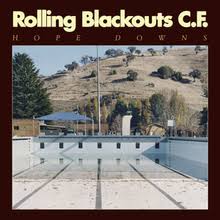
8. Hope Downs – Rolling Blackouts Coastal Fever
Expectations on Rolling Blackouts CF were high following two excellent EPs. Their first long player does not disappoint. It continues, and develops, the strengths shown on those EPs – the urgency, the chiming guitars, the impressionistic half-spoken vocals. Sure, it’s been done before (by the likes of the R.E.M., the Db’s and particularly the Go-Betweens) but when it’s done this well I’m not about to complain.
9. Running – Ryan Downey
Downey is a Melbourne based singer songwriter who burst onto the scene (for me at least) with this solo debut. From the opening cohenesque title track (I dare you to find a sexier slinkier song this side of Hotel Chelsea No.2) to ‘Those Eyes That Answer’, ‘The Weather Song’ and final track ‘The End’. Just consistently great.
10. The War & Treaty
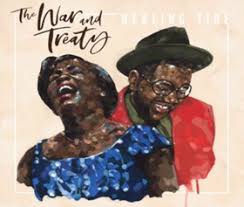
A glorious fusion of gospel, funk, soul and rock featuring husband and wife team Michael and Tanya Trotter trading vocal lines over a bed of acoustic guitar, lap steel and driving bass. All of which acts in the service of Michael’s consistently excellent compositions. It’s joyous, groovy and fun. Brilliantly produced by Buddy Miller and featuring a guest appearance by Emmylou Harris. I can’t wait to catch these guys at Bluesfest next year.
Third/Sister Lovers is a dissolute masterpiece which seemingly documents the fragile psychological state into which Alex Chilton descended in the wake of Chris Bell’s departure and the commercial failure of Big Star’s magnificent first two albums. It’s a wild cocktail of drugs, drink, love, indulgence, despair, madness, spontaneity, introspection and cathartic release all orchestrated by producer Jim Dickinson who had the vision and foresight to indulge Chilton and embrace that gamut of emotions rather than rein it in.
Together, Chilton, original drummer Jody Stephens, Chilton’s then lover/muse/drug buddy Lesa Aldridge, Dickinson, a clutch of top session musicians (including Steve Cropper on one track) and a string orchestra led by violinist Noel Gilbert make a glorious, impertinent sound – with engineer John Fry seemingly trying (in vain?) to prevent it all falling apart. For that is the genius of this album – it goes exhilaratingly close to the edge, constantly threatening to collapse into an over-indulgent mess but somehow manages to stay true. What stops it from teetering over that precipice is the strength of the songs; Chilton’s glorious melodies which form the soft heart of the album; the playing of all involved and Dickinson’s unerring production.
The sheer range and consistency of the brilliance at play is breathtaking: the (im)perfect pop of ‘Kizza Me’, ‘Thank You Friends’ and ‘You Can’t Have Me’ (centred by Stephen’s brilliant drumming); the desperation of ‘Big Black Car’; the woozy romance of ‘Stroke It Noel’, ‘For You’ (with it’s rousing, but still slightly skewed, string embellishments), ‘Blue Moon’ and ‘Dream Lover’; the waltz ‘Take Care’ and the positively jaunty ‘O’Dana’.
Even the covers are inspired: Velvet Underground’s ‘Femme Fatale’ (the only track to retain Aldridge’s backing vocals); The Kinks’ ’Til the End of the Day’ and the standard ‘Nature Boy’. Only the Jerry Lee-Lewis cover ‘Whole Lotta Shakin’ Goin’ On’ feels like a mis-step – though that track did not appear on the first three versions of the album.
Then there’s the twin peaks (or should that be valleys?) of the morbid ‘Holocaust’ and the audacious ‘Kanga Roo’ featuring Dickinson’s inspiredly deranged drumming, Mellotron and guitar feedback squalls. The power of those two songs is enhanced by their placement together on both the original PVC release (tracks 12 and 13) and my 1992 Rykodisk version (tracks 7 and 8).
Much has been written about this album but its allure is perhaps best summed up by musician Chris Stamey (dBs):
“Art holds up a mirror in which we see ourselves. Sometimes the more wrinkled the surface, the more interesting the angles: you can see around the corners, find aspects of your soul that would otherwise remain hidden.”




















 paint by number dreams